

10 years of shaping Europe’s cities: happy birthday, Urban Agenda !
A 10-year journey
Launched in May 2016 through the Pact of Amsterdam, the Urban Agenda for the EU provides a structured, multi-level framework for dialogue and collaboration. The Pact of Amsterdam was adopted during the Dutch Presidency of the Council of the European Union by EU Ministers responsible for urban matters. It sets out the objectives, scope, themes, operational framework, and actions of the Urban Agenda for the EU (UAEU). It laid the foundation for the UAEU, marking a significant milestone in strengthening the urban dimension of EU policy and building on the recognition of the role of urban areas in achieving the Union’s objectives and related national priorities.
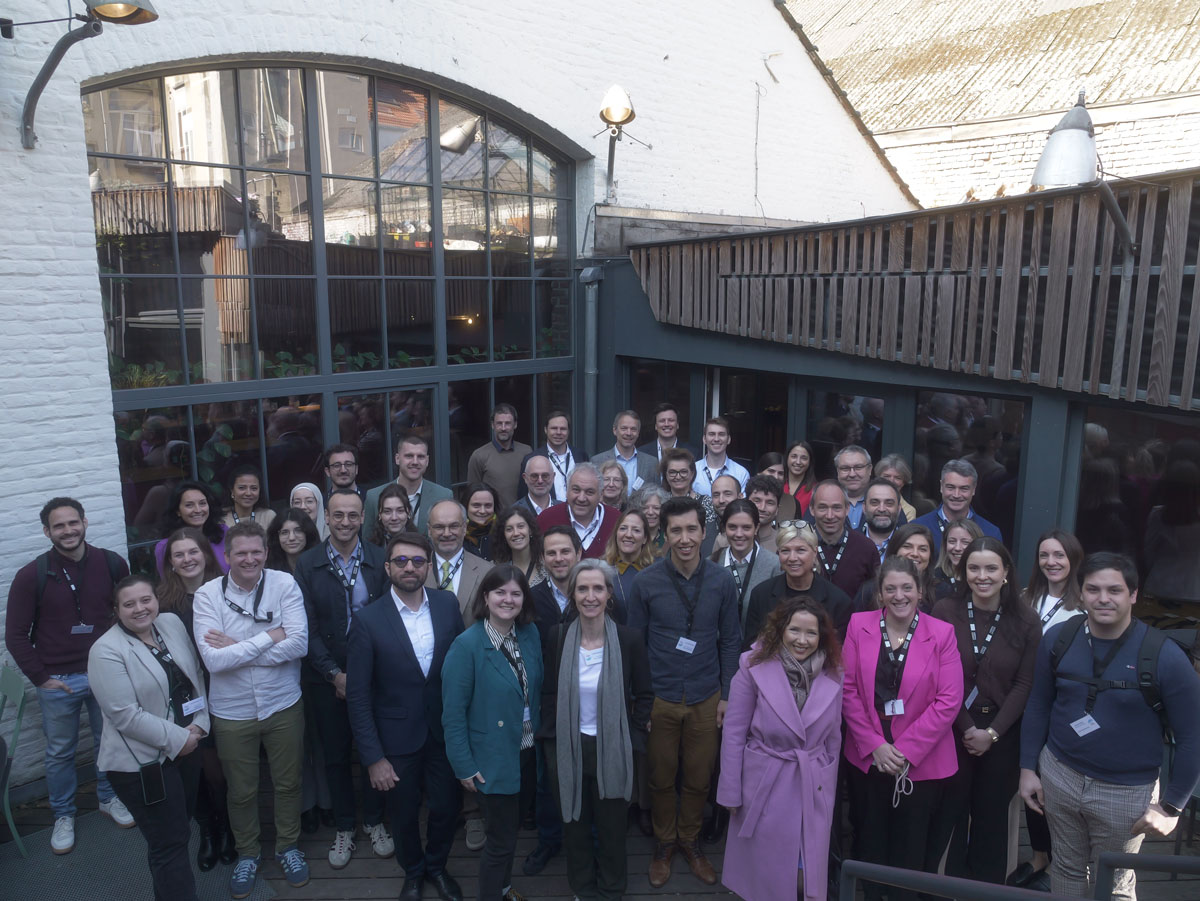
Over the past decade, the Urban Agenda for the EU has brought together 121 cities of all sizes from across all EU Member States. These cities collaborate with national governments, European institutions, and a wide range of stakeholders to identify practical solutions to concrete urban challenges.
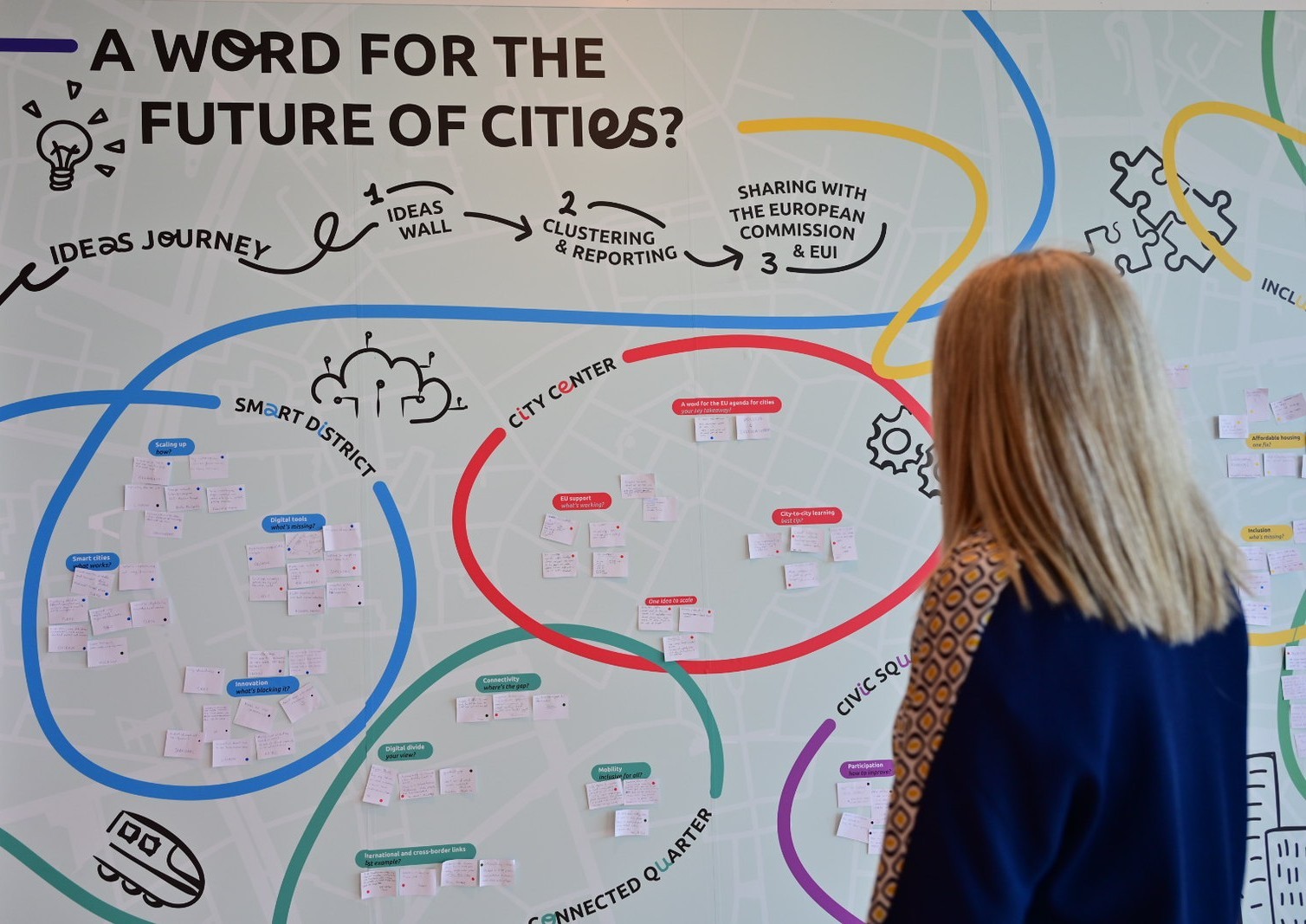
The thematic scope of the UAEU Partnerships is broad. It ranges from climate, energy, and the environmental issues to urban planning and mobility, social inclusion and equality, economy and tourism, as well as security and governance.
Have a look at the below video to better grasp the state of play of the current Thematic Partnerships. The video was produced for the Cities Forum in June 2025.
To mark this 10-year anniversary and celebrate the achievements of the Urban Agenda for the UE Partnerships, an event will be organised in 2026.
However, 2026 marks not just the 10th anniversary of the Urban Agenda, but also a key milestone. The Urban Agenda’s work has been further recognised in the newly adopted EU Agenda for Cities, which places cities at the heart of EU policymaking.
As affirmed in the Communication of the Commission, "the new EU Agenda for Cities builds on key strategic frameworks, including the Territorial Agenda 2030 and the New Leipzig Charter, and is complemented by intergovernmental cooperation on urban matters, with the Urban Agenda for the EU remaining its central instrument."
From 2026 onwards, the European Commission will hold regular political dialogues with local leaders. These dialogues will build on the work of the UAEU Partnerships. The Cities Forum, co-organised by the European Urban Initiative and the Commission, will continue to serve as a hub for policy exchange and community building. The new call for cities to host the next #CitiesForum in 2027 is already open, and interested cities can apply until 17 February.
What to expect for the new year?
Each Urban Agenda Partnership contributes to the three pillars of the Urban Agenda (Better Regulation, Better Knowledge, Better Funding) by proposing improvements to existing policies, funding mechanisms, initiatives, and their implementation. These efforts benefit urban areas across the EU. Every partnership has delivered one or more Action Plans and practical outputs, freely accessible to EU cities, stakeholders, and urban practitioners.
Key outputs from the partnerships can be explored through this overview.
In 2026, the ongoing Urban Agenda partnerships are expected to transform planning into tangible impacts.
Mature partnerships, such as Public Procurement and Inclusion of Migrants and Refugees , are set to strengthen capacities, raise awareness of strategic procurement, and counter disinformation while sharing knowledge on effective integration projects. Greening Cities and Sustainable Tourism will implement their first Action Plans, creating greener, more welcoming urban spaces and promoting sustainable ways to explore cities.
The Cities of Equality and Food partnerships, have entered full implementation and will focus on turning shared knowledge into tangible outputs. Cities of Equality will help urban and regional authorities promote fairness through inclusive governance and fair funding. The Food Partnership aims to strengthen urban and regional leadership in circular, sustainable, and community-focused food systems.
Water Sensitive City and Building Decarbonisation will deliver their Action Plans. Water Sensitive City is expected to deliver practical solutions for resilient urban water management, and Building Decarbonisation aims to contribute to EU energy efficiency policies, heating and cooling strategies, and national building regulations.
Finally, the newly launched Compact Cities Partnership will begin its orientation phase, laying the foundation for more connected and sustainable urban spaces.
Don’t miss EUI opportunities and events in 2026
The new year brings numerous opportunities for capacity building, knowledge sharing, and the implementation of innovative projects.
One key opportunity for cities in 2026 is the EUI Call 4 for Innovative Actions, opening in early 2026. Focused on small and medium-sized cities, this call will support up to 30 projects across Europe, with an indicative budget of €60 million from the ERDF.
Participating cities will have the chance to test innovative solutions aligned with the priorities of the EU Agenda for Cities. Applications are particularly encouraged from: small and medium-sized cities, cities with limited experience in accessing EU funds, dynamic urban authorities eager to experiment with innovative solutions, even if they have less experience in the field of urban innovation.
Another highlight is the annual Synergy Meeting bringing together all ongoing Urban Agenda partnerships, scheduled for 24 March in Brussels. This event will provide a platform for exchange, reflection on synergies, and exploration of potential joint initiatives to strengthen the partnerships’ impact on EU policymaking.
Capacity-building events will continue throughout the year, giving cities opportunities to enhance their operational and strategic capabilities for sustainable urban development.
Among the most important initiatives, be sure not to miss the following policy labs:
- Focused Policy lab on sustainable tourism (22-23 April - Copenhagen, DK)
- Focused Policy lab on shrinking cities/ right to stay (September - Celje, SI)
- Focused Policy lab on water management (November - Bruges, BE)
Stay tuned to make sure you don’t miss out!