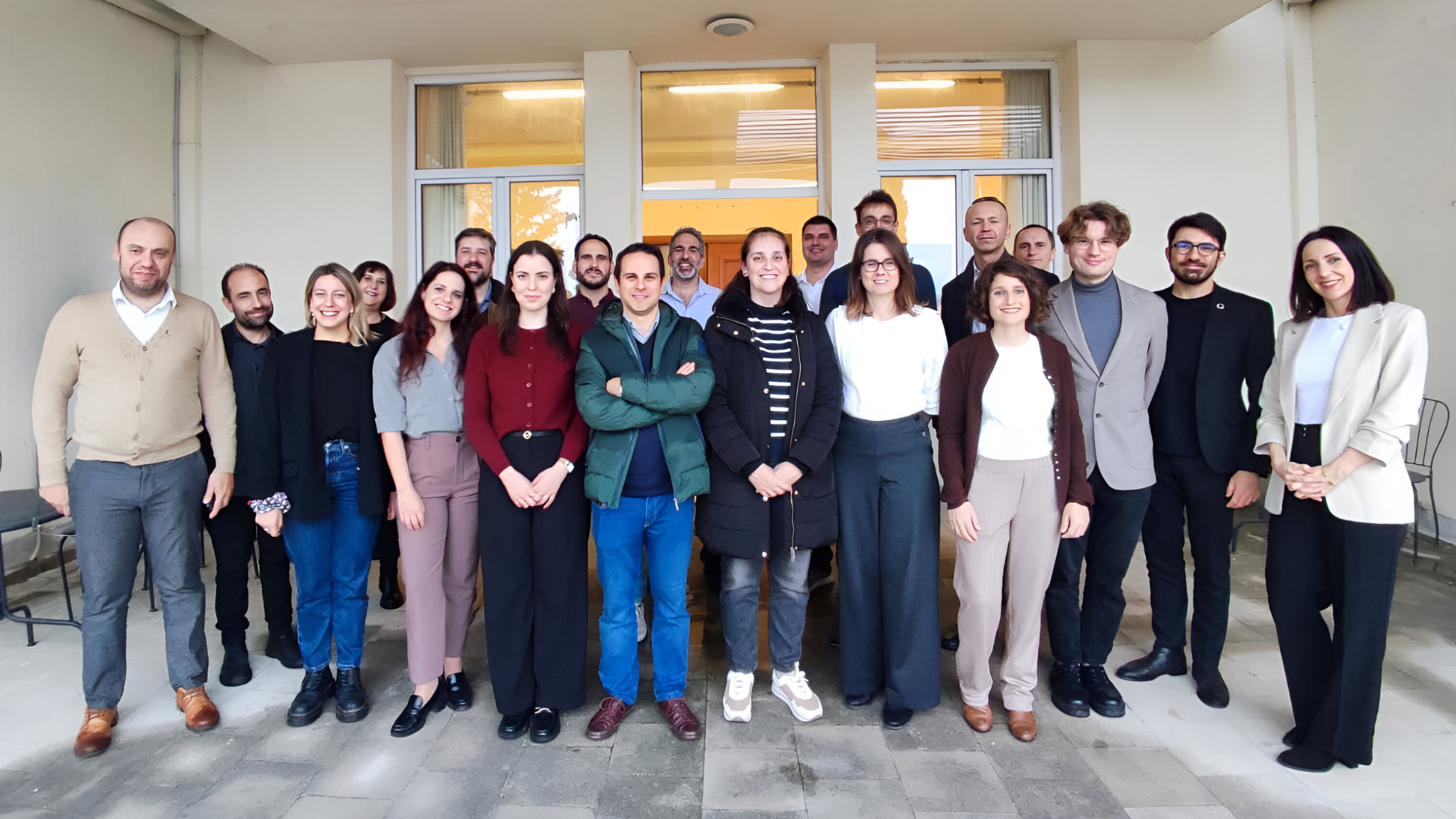
The Water Sensitive City Partnership advances the Action Plan at its 2nd in-person meeting
In the making: the Water Sensitive City Action Plan
The 2nd in-person meeting of the Partnership was organised with the objectives of advancing the Action Plan drafting process, ensuring coherence across the seven Action Groups, identifying risks and mitigation measures for successful implementation, and ensuring alignment with the water-related EU policy landscape.
The meeting opened on December 4 with a welcome message from Simeon Roussos, Mayor of Chalandri, who highlighted the importance of approaching water as a public good and offered insights into the local and regional challenges. In Chalandri, this principle does not remain in words, but is put into practice with the revival of Hadrian's Aqueduct, an emblematic ancient work, which is today being transformed into a modern tool of environmental policy, receiving international recognition as a practice that combines cultural heritage and public benefit
Mr. Roussos also noted that the Municipality’s goal is to utilize the unexploited water for the irrigation of municipal public spaces and private gardens, to reduce the waste of drinking water, and to strengthen citizen participation (particularly school communities) in the planning and creation of new green spaces. He further stressed that urban planning based on water, active citizen engagement, and support for Local Government through a coherent European strategy and appropriate funding tools are critical prerequisites for the success of similar initiatives.
"Water is a non-negotiable public good and its protection is a collective responsibility, especially in the era of the climate crisis."
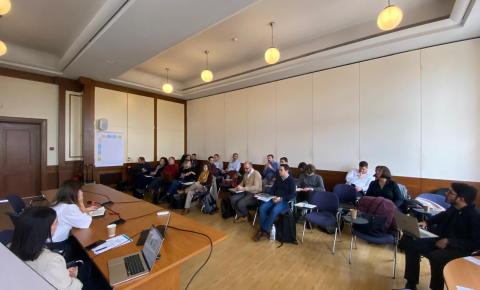
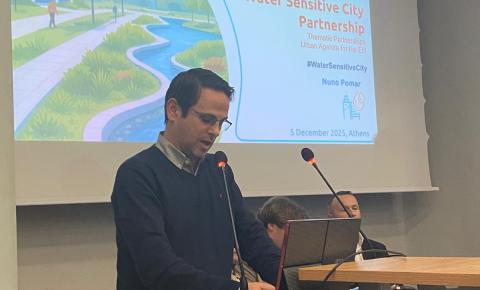
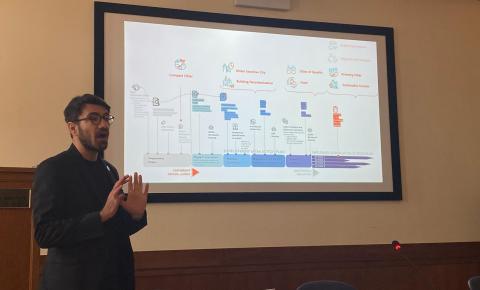
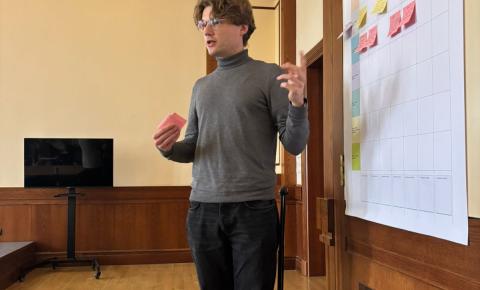

Jorge Brito (Intermunicipal Community of Coimbra Region CIM-RC, Coordinator of WSC Partnership) and Thanos Andritsos (Commonspace Co-op) also welcomed participants and shared their perspectives on the current stage of the Partnership: defining the Actions that it will focus on for the next two years. Alexandru Matei (European Urban Initiative) shared updates within the broader framework of the Urban Agenda for the EU, including the launch of the new UAEU Partnership on Compact Cities and encouraging synergies with all other active Partnerships.
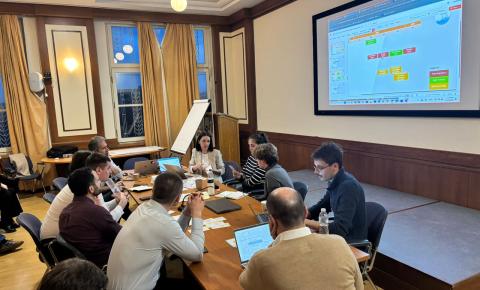
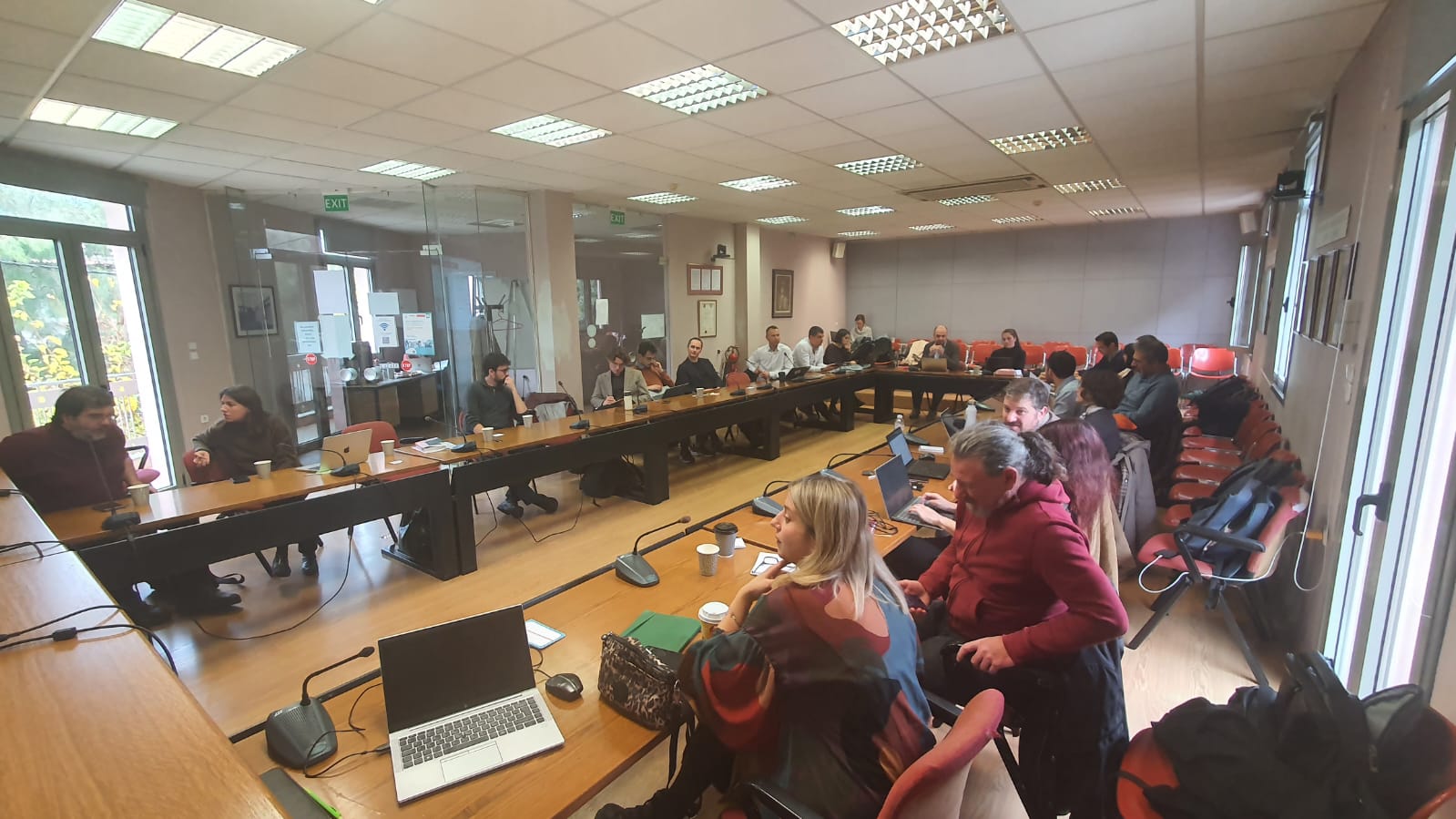
The first day was dedicated to structured working sessions moderated by CIM-RC and Viorela Sfârlea (Thematic Partnership Officer), at the Agriculture University of Athens. It started with brief presentations from Action Leaders on the proposed Actions, which range from indicators on water sensitivity, EU and local regulations, creating a water-sensitive urban planning framework, innovative financing, digital innovation to capacity building, communication and citizen engagement. This session facilitated an active exchange on how to address ongoing challenges identified by Action Leaders. Next, partners focused on identifying interdependencies between the different Actions, looking at how does each Action contribute to the others. In the second part of the day, partners split into working groups to develop a risk-mitigation matrix and refine the proposed outputs for each Action. Representatives from other Urban Agenda Partnerships, namely Sustainable Tourism and Greening Cities, contributed their perspectives and insights.
EU Policy alignment and learning from practice
On December 5, the programme moved to the Municipal Council of Chalandri, where the focus shifted to policy alignment and hands-on learning. Highlights from the second day included a session on aligning Partnership Actions with the EU policy priorities, featuring inputs from Nadia Siokou and Haris Biskos (TPOs for Sustainable Tourism and Greening Cities Partnerships). Partners contributed their views on an upcoming exchange with EU institutions, including the need to assess how the draft Action Plan aligns with the Water Resilience Strategy and how the Partnership can support its implementation at the local level, existing water-related indicators and the place of water in the next Multi-annual financial framework.
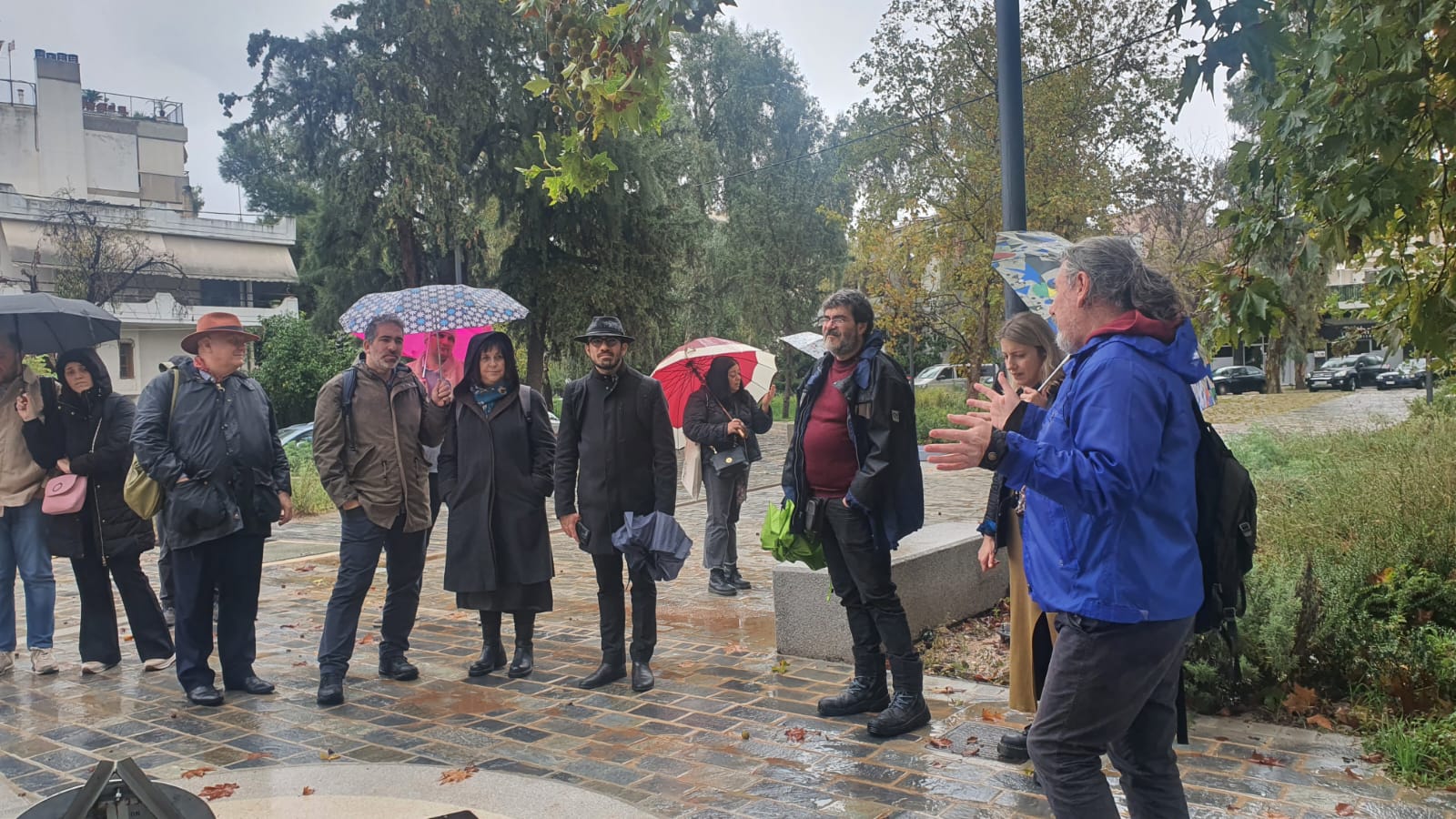
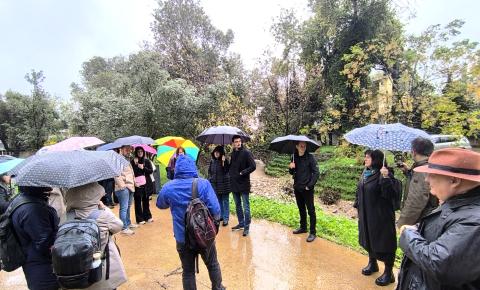
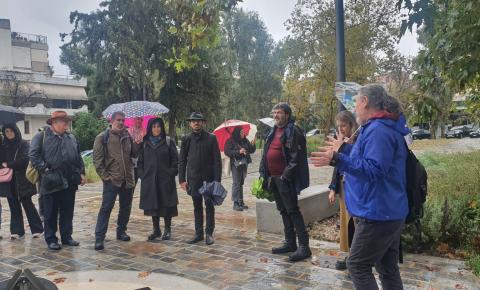
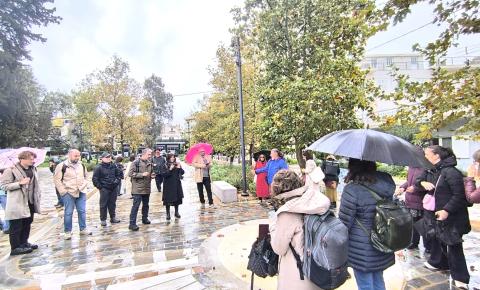
A field visit to the CULTURAL H.ID.R.A.N.T. project (Urban Innovative Actions) followed, showcasing how urban water heritage and identity can be rediscovered through integrated design and community involvement. The visit highlighted the importance of participation and community engagement in promoting water as a public good, sustainable water use awareness and enabling the community to connect with cultural heritage. The knowledge accumulated within the UIA project is also being adapted in other cities through the URBACT Hydro-Heritage Cities project. How is this done in practice? Find out more in the second Journal of the Hydro-Heritage Cities Network, which was just published and is available here.
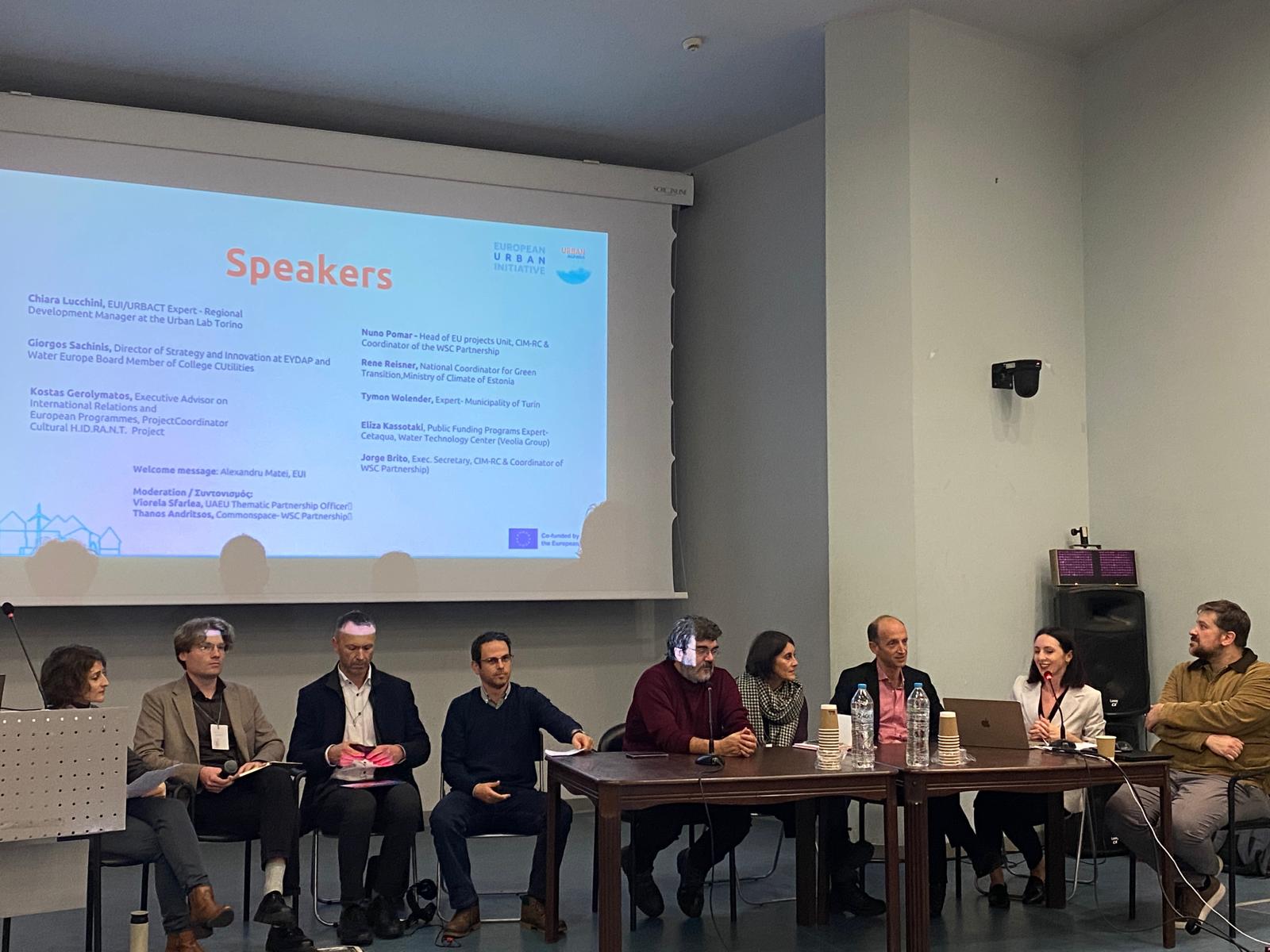
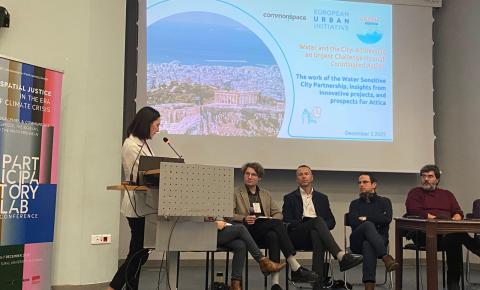
In the second part of the day, a roundtable discussion was held at the Agricultural University of Athens on Water and the City: addressing an urgent challenge through coordinated action, organised as part of the 3rd Participatory Lab Conference (5-7 December). The panel aimed to delve into how regulation, governance and funding intersect and how they can support better water management in cities, and to also validate and gather feedback on the proposed draft Actions. It started with a presentation on the Water Sensitive City Partnership by Nuno Pomar (CIM-RC, as WSC Coordinator) and featured WSC partners Rene Reisner (Ministry of Climate of Estonia), Tymon Wolender (Municipality of Turin, Politecnico di Torino), Eliza Kassotaki (Cetaqua, Water Technology Center, Veolia Group). It also included local and regional representatives and experts Chiara Lucchini (EUI/URBACT Expert for the Cultural H.ID.RA.N.T. project), Giorgos Sachinis (EYDAP), Kostas Gerolymatos (Project Coordinator Cultural H.ID.RA.N.T. Project), and was moderated by Thanos Andritsos and Viorela Sfârlea. The meeting highlighted that the proposed Actions are deemed highly relevant and they can be further enriched by local and regional experiences, to be collected during the consultation phase.
What is coming next for the Water Sensitive City Partnership?
Throughout both days, the WSC partners worked intensively to strengthen the structure and implementation logic of the upcoming Action Plan. The progress made in Athens and Chalandri will feed into the work carried out by partners until March 2026, when the Draft Action Plan is set to be endorsed.