From strategy to delivery: new Greening Cities tools for nature-positive cities
Across Europe, urban nature is increasingly recognised as essential infrastructure, supporting biodiversity, climate adaptation, public health and economic resilience. With the EU Biodiversity Strategy for 2030 and the Nature Restoration Regulation (NRR) placing urban ecosystems at the centre of action, local authorities are expected not only to develop Urban Nature Plans (UNPs), but also to demonstrate measurable progress. The Greening Cities Partnership responds with two practical tools that help cities, towns and suburbs assess their readiness, strengthen governance, and establish robust monitoring systems aligned with EU requirements.
Strengthening urban nature strategies: assessing policy readiness
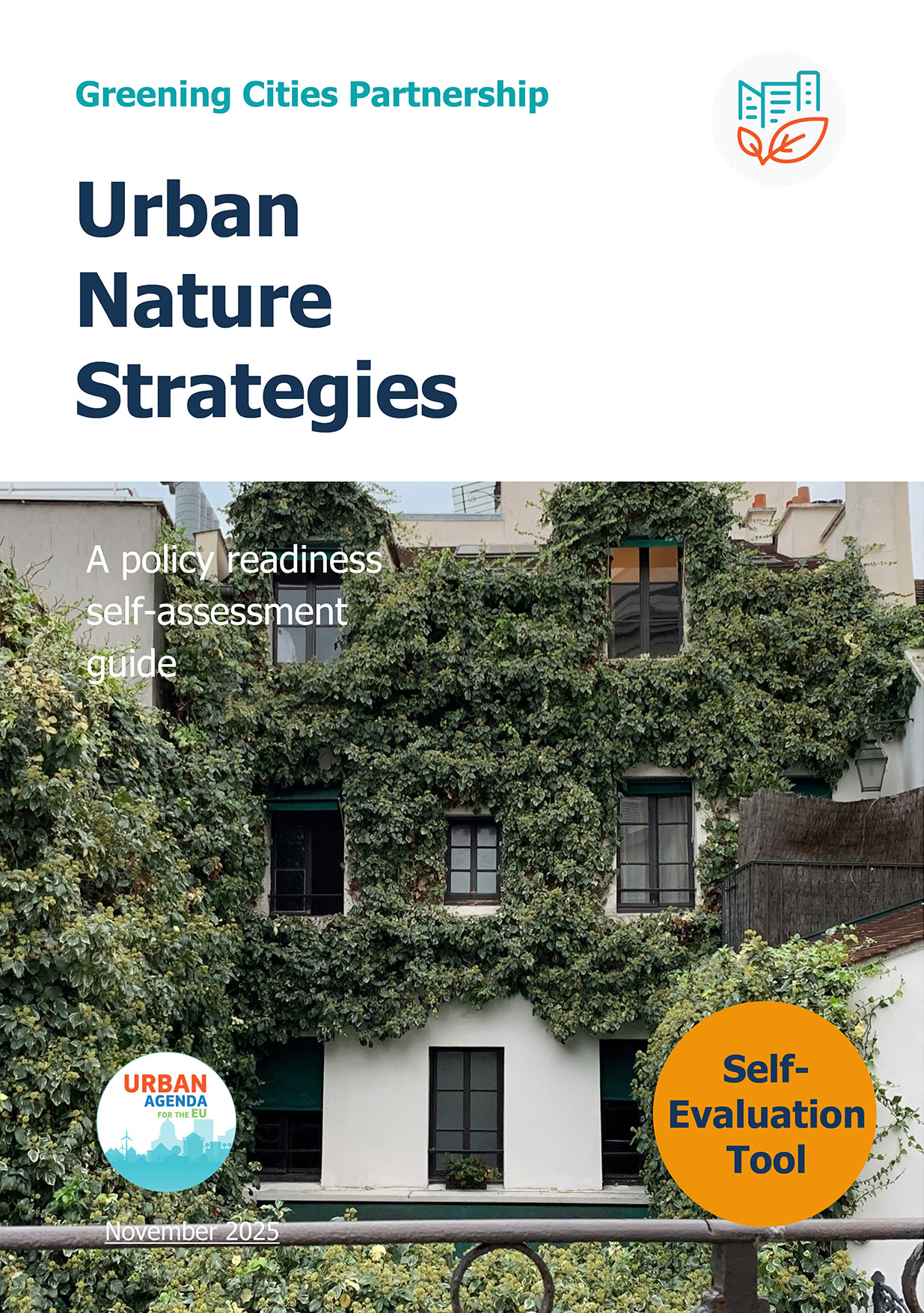
The first publication, “Urban Nature Strategies: A Policy Readiness Self-Assessment Guide” (November 2025), provides a structured diagnostic framework to help local authorities critically review and improve their Urban Nature Plans or equivalent strategies.
Rather than serving as a compliance checklist, the guide supports reflective, cross-departmental dialogue. It helps city teams identify gaps, avoid common pitfalls, and prioritise improvements before implementation challenges arise.
Designed for workshop use, the tool encourages environment, planning, finance, health and political representatives to jointly evaluate their strategy using a “Yes / Partially / No” format. The outcome is not a score, but a practical action list to strengthen ambition, integration and delivery capacity.
By aligning with European Commission guidance on Urban Nature Plans and international initiatives such as IUCN tools and city-network frameworks, the guide ensures local strategies are coherent with EU and global biodiversity objectives.
Monitoring what matters: building capacity for Article 8 implementation
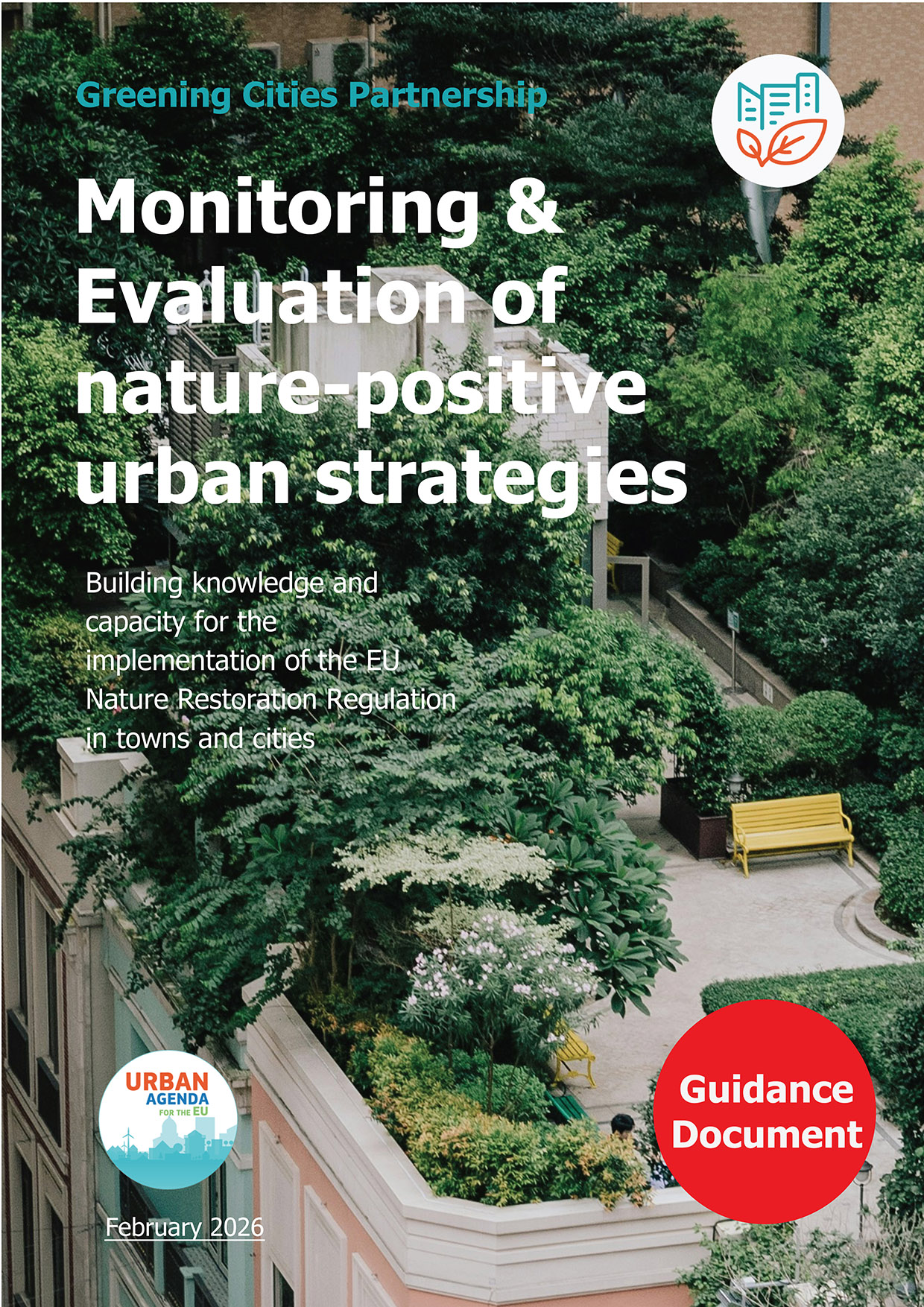
The second publication, Monitoring & Evaluation of nature-positive urban strategies (December 2025), helps towns and cities operationalise Article 8 of the EU Nature Restoration Regulation. Article 8 requires no net loss of urban green space and tree canopy cover by 2030, followed by a continuous increase from 2031. While Member States hold the legal obligation, delivery depends on local authorities.
The guide frames monitoring as both compliance and adaptive management. It provides clear methods to measure the two core indicators, urban green space coverage (%) and urban tree canopy cover (%), using accessible datasets (e.g., Copernicus land cover and tree cover layers) and to establish consistent 2024 baselines. It also proposes a “core + menu” approach: cities combine mandatory metrics with a tailored set of complementary indicators (biodiversity, access and equity, climate resilience, co-benefits, governance and finance). Finally, it offers a capacity maturity model and a phased roadmap (2025–2031) to build skills, governance and reporting routines over time.
From planning to measurable impact: why the two tools matter together
The two publications are designed to function as a coherent package.
- The Policy Readiness Self-Assessment Guide ensures that Urban Nature Strategies are well-designed, integrated and financeable.
- The Monitoring & Evaluation framework ensures that these strategies are measurable, adaptive and aligned with EU regulatory requirements.
Together, they support local authorities in moving from strategic intent to demonstrable outcomes, linking governance quality with ecological performance.
This integrated approach also strengthens cities’ ability to access funding, issue green bonds, align with sustainable finance frameworks, and communicate results transparently to residents and investors.
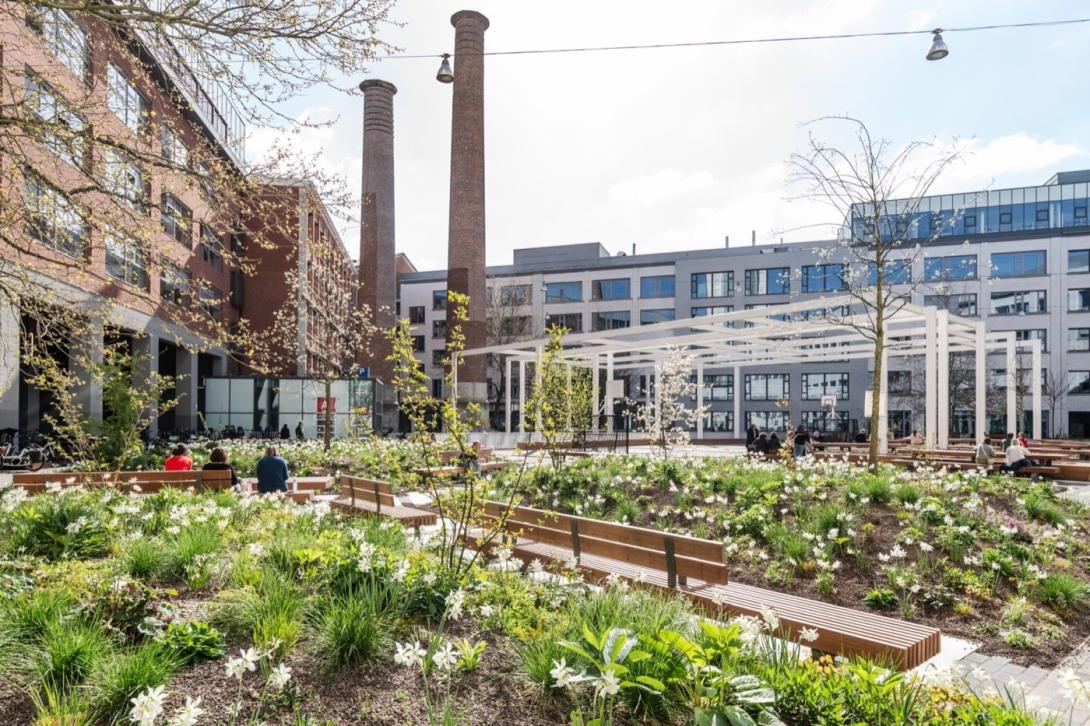
Den Bell, Antwerp (BE): Depaved courtyard and green roofs.
© OMGEVING and Lucid
"Urban nature is not optional. It is measurable, governable, financeable and central to Europe’s 2030 ambitions."
Who should use these tools?
The publications are intended for:
- Municipal environment and sustainability departments
- Urban planners and GIS specialists
- Climate adaptation and resilience officers
- National policymakers coordinating NRR implementation
- EU institutions and programmes supporting urban sustainability
They are particularly relevant for towns and cities developing or updating Urban Nature Plans, reviewing existing strategies, or preparing for 2030 reporting milestones.
What’s next for the Greening Cities Partnership?
The Greening Cities Partnership continues to focus on practical implementation tools that enable cities to deliver nature-positive transformation. Upcoming outputs will explore innovative financing mechanisms for urban greening, supporting municipalities in mobilising public and private investment.
The Partnership also looks ahead to its upcoming in-person meeting in Nicosia this March, where partners will exchange on implementation challenges, share experiences, and accelerate collective action toward restoring urban ecosystems across Europe.
With these two new publications, the Greening Cities Partnership reinforces a clear message: urban nature is not optional, it is measurable, governable, financeable and central to Europe’s 2030 ambitions.
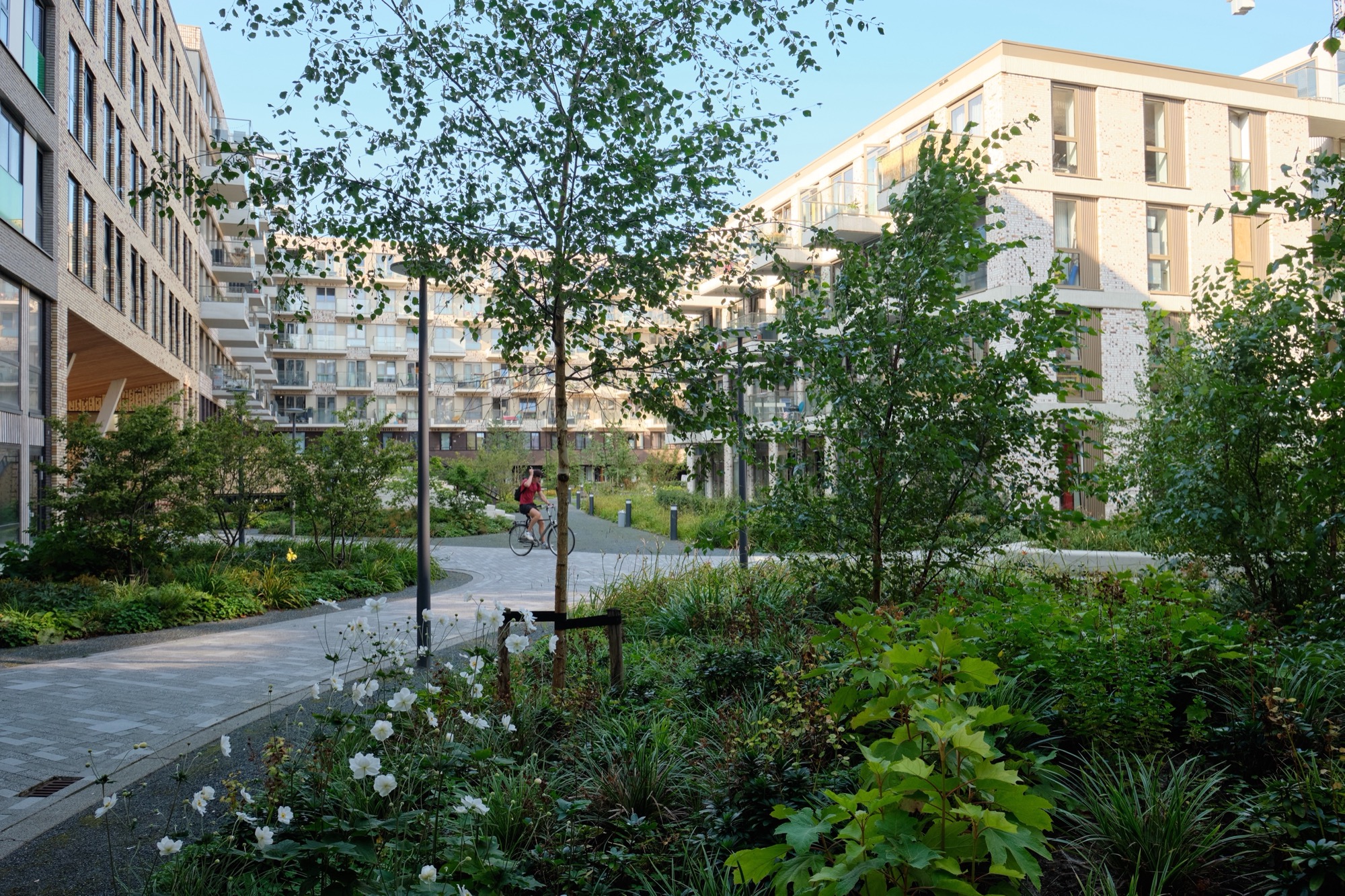
Cover image: Lieven Neighborhood Campus in Amsterdam. © Bureau B+B urbanism and landscape architecture.