Key highlights from the meeting of the Inclusion of Migrants and Refugees Partnership
Mutual learning event and site visit
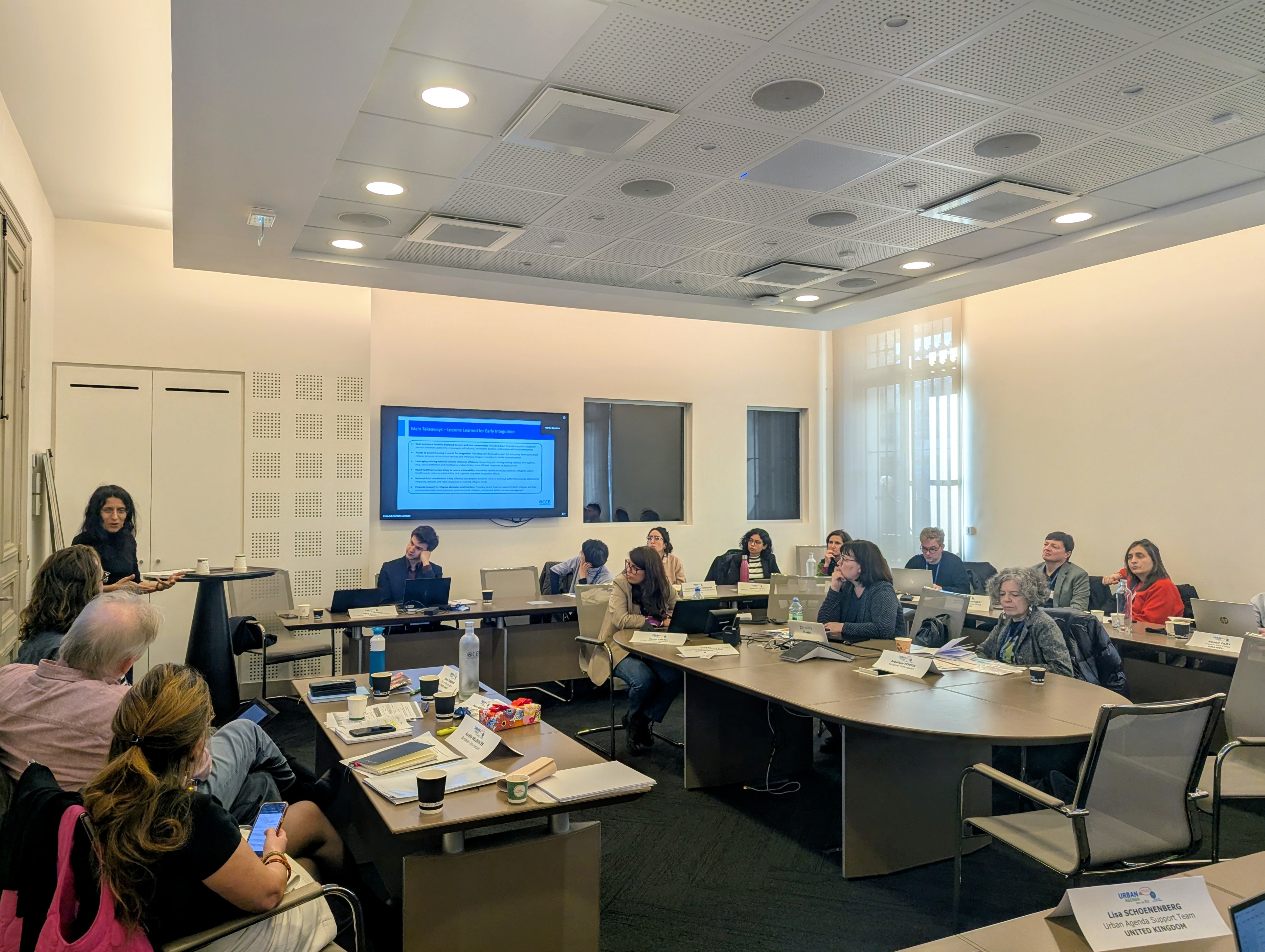
The mutual learning event “Funding the future of integration: Financing Housing Solutions for Migrants and Refugees in Cities”, organised by Eurocities and the Council of Europe Development Bank (CEB), brought together members of the Eurocities Working Groups on Migration and Integration, Housing and Homelessness, as well as members of the Urban Agenda Partnership’s Action Group on Funding to explore how InvestEU and other EU/CEB instruments can support inclusive housing solutions for migrants and refugees.
Using practical case studies, including a site visit to Habitat & Humanisme’s Maison Saint‑Charles, participants discussed potential financing pathways and exchanged with CEB country managers on initiatives that could be supported.
The session also highlighted the EU’s new priority on affordable and social housing (including the European Affordable Housing Plan), introducing EU-level investment platforms, coordination mechanisms and reform tools to address housing costs, supply gaps and uneven access to adequate housing across Europe. It featured Paris’ example, which aims to expand its social housing stock to reach 40% of all residential units by 2035 – an effort aimed to address the issue of homelessness and poor-quality housing, which migrant communities are the most subject to.
Site visit: integrated education and family support
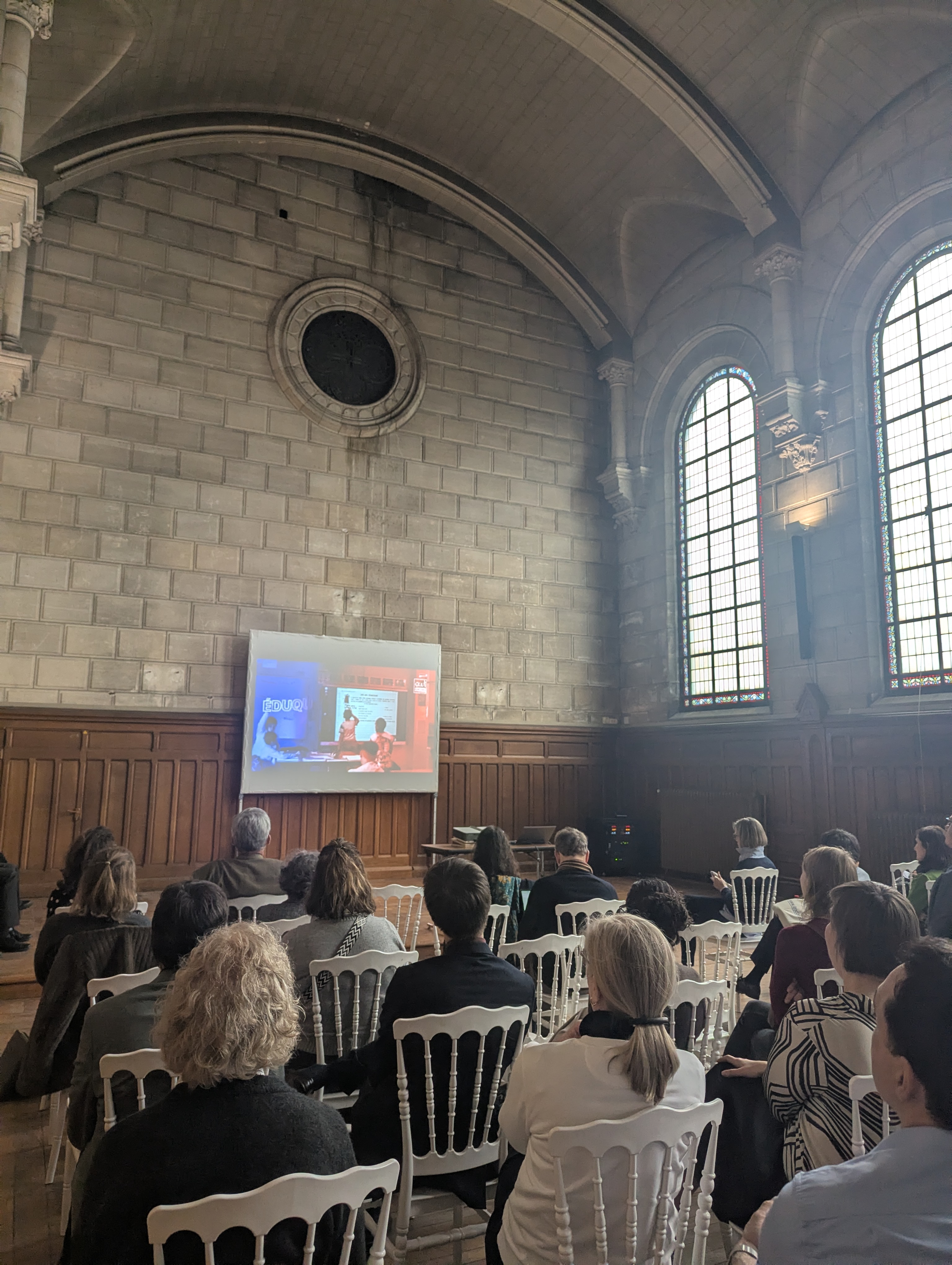
Before the plenary meeting, participants from the Eurocities Working Group on Migration and Inclusion and the Partnership members visited the Saint‑Philippe educational campus managed by Apprentis d’Auteuil in Paris. The visit showcased an integrated model supporting children and families through adapted education, boarding facilities, parental counselling and early career integration pathways. The campus is funded through a mix of public and private sources and is co‑financed by the Council of Europe Development Bank (CEB).
Sixth plenary meeting: highlights
During the plenary, the European Commission underlined the Asylum and Migration Management Strategy, highlighting the whole‑of‑government approach, including local and regional authorities (LRAs). However, members also voiced their concerns about limited involvement in the national implementation of the Pact on Migration and Asylum.
In terms of funding opportunities, Partnership members received an update on a forthcoming EUR 77 million AMIF‑funded action intended to target regional and local authorities, channelled through national authorities.
CEB presented its approach to supporting local and regional authorities through a need based, integrated framework, including lessons on social impact-driven investment and inclusive community infrastructure.
Action Group discussions: next steps
Action Groups held hybrid parallel sessions, discussing key challenges and agreeing on the next steps:
- Action Labour agreed to focus more on transferable private sector practices that support newcomers (e.g., orientation, language learning and related measures).
- Action Education agreed to focus on the inclusion of children in cases of family reunification, as this group of minors is often overlooked by targeted integration measures, as well as balancing inclusion and targeted support in formal education.
- Action Funding agreed to turn survey findings into a practical resource for local and regional authorities and develop a catalogue of relevant CEB-financed and other projects.
- Action Disinformation agreed to streamline planned capacity building, keep the self-assessment open for further input, and launch a first training on identifying disinformation
In conclusion, the collaborative efforts of the Action Groups demonstrate a committed approach to tackling the complex challenges faced by local and regional authorities. As these initiatives progress, continued engagement and sharing of best practices will be vital to ensuring meaningful impact at the grassroots level. We encourage all stakeholders to actively participate in the Partnership’s activities, contribute their insights, and support the development of effective, inclusive solutions for communities across Europe.
Have your say
Help shape the upcoming Urban Agenda Partnership for the Inclusion of Migrants and Refugees outputs by contributing your experience through two short surveys:
- Complete the Disinformation Action self‑assessment (open until 31 March)
- Share practical examples via the Action Labour survey on Mapping Good Practices in Migrant and Refugee Employment Integration (open until 30 April)
This link can be shared with any government institutions or organisations involved in migration. Your support will help foster broad participation and capture diverse perspectives!