Food Partnership in action: capacity building and knowledge sharing in Barcelona
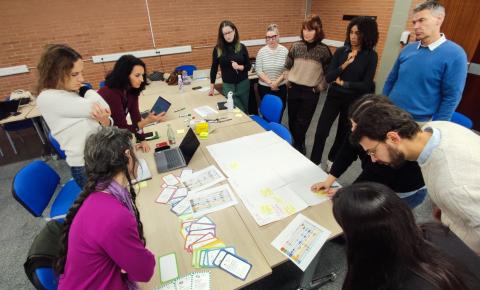
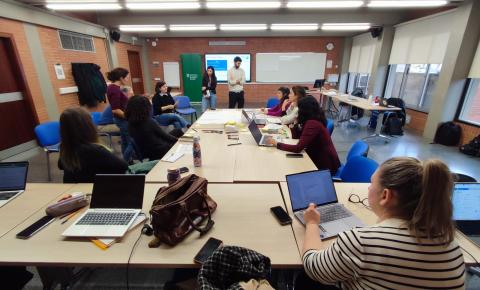
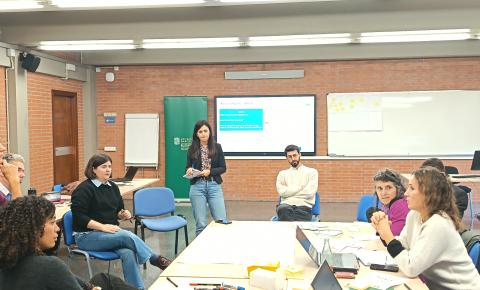
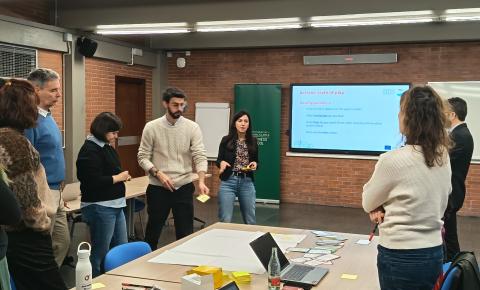
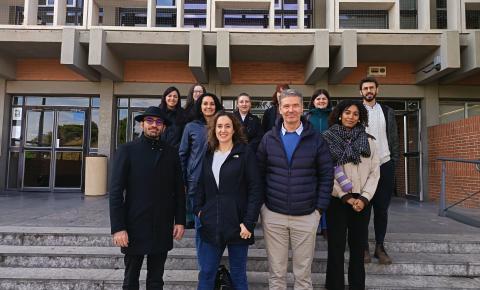
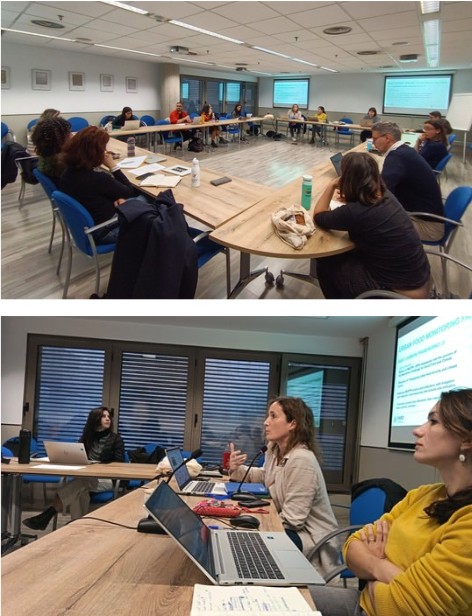
The in-person meeting opened on 19 November with a training module dedicated to indicators for monitoring urban food systems. This workshop marked the second appointment of the Urban Food Policy Training Action, following the inaugural module held in Milan on 13 October. On the second day, during the plenary meeting, partners reflected on the next steps for advancing the various initiatives within the Food Action Plan . The third day concluded with a field visit to Mercabarna, Barcelona’s vibrant wholesale food market, offering participants valuable practical insights.
From data to action: understanding the challenges of monitoring urban food systems
Monitoring is a strategic component of any urban food policy. It supports the entire policy cycle: understanding the current situation, defining priorities, setting targets, and deciding what should be measured to track progress. Yet monitoring remains an experimental process.
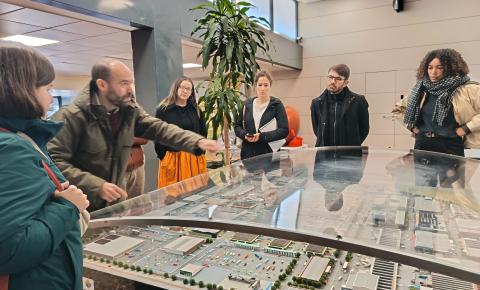
Urban Food Policy Training in Barcelona
There is no “golden rule” or universally applicable model for local authorities to follow when designing an urban food monitoring system. Instead, cities must navigate between existing knowledge and frameworks on the one hand, and the unique needs, priorities, and practical constraints of their local context on the other.
During the Urban Food Policy Training, Ana Moragues Faus, Director of the Food Action and Research Observatory, and Alessandra Manganelli, Postdoc Researcher in Cities4Food at the University of Barcelona, explained the monitoring process, its purpose, and introduced key reference frameworks, including:
- the City Region Food System (CRFS) approach, which proposes a comprehensive set of more than 200 indicators covering multiple dimensions of the food system. While it offers useful resources and tools, cities are encouraged to adapt and refine these indicators to better reflect local realities.
- the Milan Urban Food Policy Pact monitoring framework, developed between 2016 and 2019, which draws upon CRFS principles to define a tailored set of indicators aligned with Milan Urban Food Policy Pact categories.

Joy Carey, active in the Bristol Food Network and involved in the development of the Milan Urban Food Policy Pact (MUFPP) monitoring framework, reflected on the complexity of designing tools to assess city-region food systems. She described the initial challenge of starting from a whole food system perspective, stretching across hundreds of actors, sectors, and actions, which required integrating economic, social, and environmental dimensions. The resulting frameworks aim not to prescribe solutions but to offer a “direction of travel,” helping cities clarify the outcomes they seek and track progress even in emerging areas where methods are still evolving.
A key message was that “no city can deliver on every indicator”. Frameworks should be understood as guidance: cities must identify their own priorities, adapt indicators to their local context, and focus on the most relevant outcomes. The process of adaptation is often as valuable as the indicators themselves.
How can we measure the food dimension of urban food systems?
Across Europe, reliable and comparable urban food data remain limited. Although some insights can be drawn from social justice indicators, income data, and other socio-economic statistics, these sources tend to blur the specifically food-related aspects of urban food systems. Without dedicated food indicators, it becomes difficult to determine whether we are truly capturing food system dynamics or merely relying on indirect proxies drawn from broader socio-economic trends.
During the training, participants exchanged perspectives on several key questions, including a central one:
- Should cities adopt a common, standardised set of food indicators to enable more consistent measurement?
Or, alternatively, - Should they continue to use locally tailored approaches, even if this diversity makes comparison and aggregation across cities far more challenging?
The conversation also underscored another layer of complexity: indicators themselves are rarely measured the same way across different cities. A clear example emerged in the discussion around food insecurity, where participants described two distinct, yet complementary, approaches to understanding and evaluating this issue.
- The first focuses on people’s lived experience, using perception-based tools such as the FIES scale to assess whether individuals can access sufficient, quality food. This approach foregrounds issues of social justice, vulnerability, and the everyday realities of households facing food shortages.
- The second perspective frames food insecurity at a city-wide or systemic level, emphasising factors such as food prices, supply vulnerabilities, and the overall resilience of urban food systems. This view connects food access to broader questions of proximity, urban vulnerability, and the ability of a city to feed its population.
The central question that emerged is whether European cities should work toward greater harmonisation of key food indicators, or whether maintaining diverse approaches, with all the interpretive complexity this entails, remains the more realistic and effective path.
The exchange on what should be measured and why revealed a wide variety of priority areas across EU cities. This diversity reflects the different local realities shaping urban food systems. The University of Barcelona, as Action Leader of Action 6 “Selecting indicators to monitor urban food systems” within the Food Action Plan, will continue exploring these issues in the coming months. Their work aims to analyse the specific challenges and needs of participating cities, develop a clearer picture of the current state of play, and provide recommendations on how urban food systems could be more effectively monitored at the EU level.
Insights from the study visit to Mercabarna
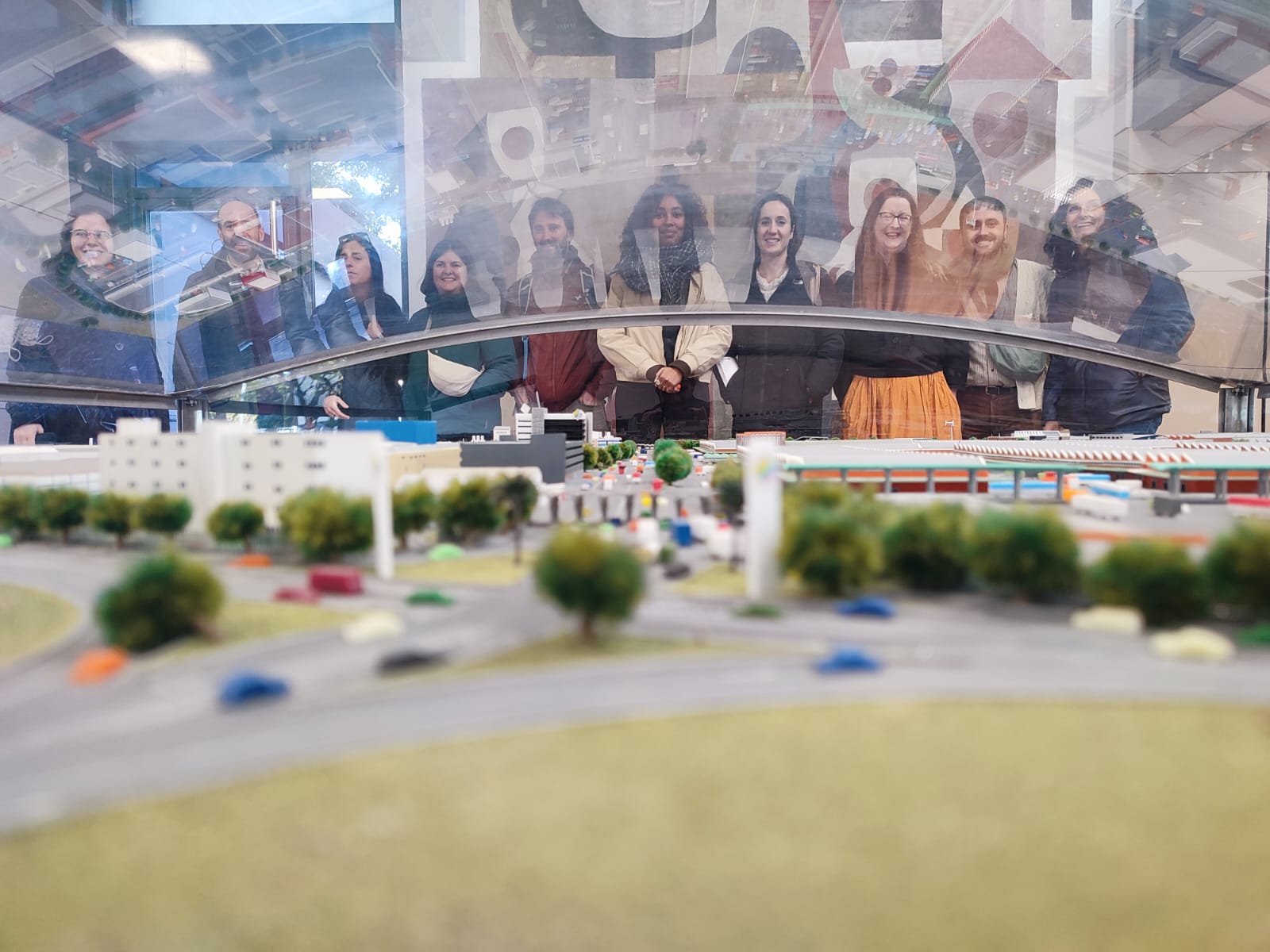
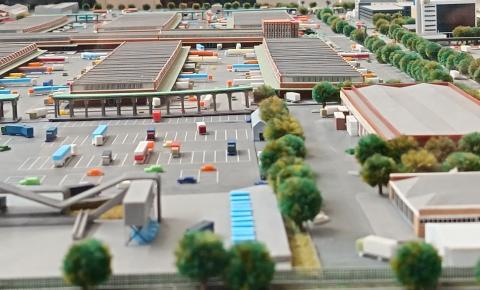
The meeting also offered participants a chance to learn firsthand through a visit to Mercabarna, Barcelona’s bustling wholesale market, which operates 24 hours a day to ensure a steady supply of fresh food to the city. Home to 600 companies specialising in distribution, preparation, import, and export of fresh and frozen products, Mercabarna provided a unique window into the workings of an urban food system.
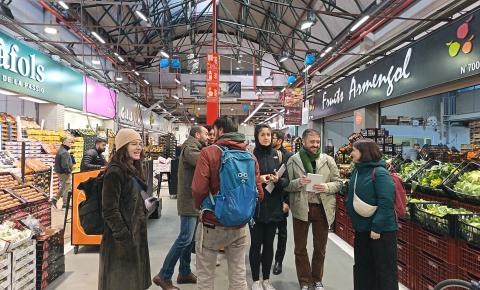
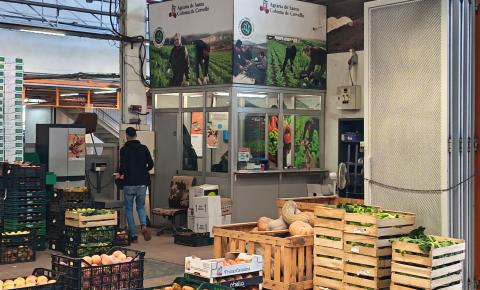
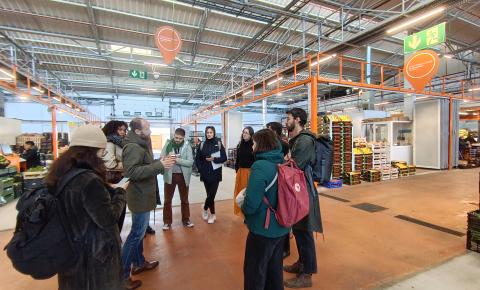
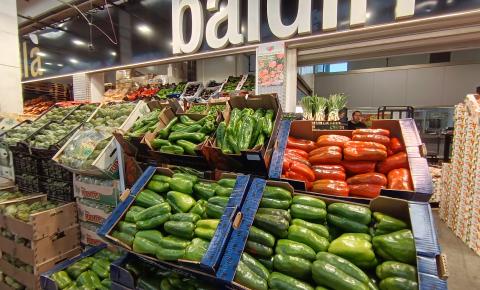
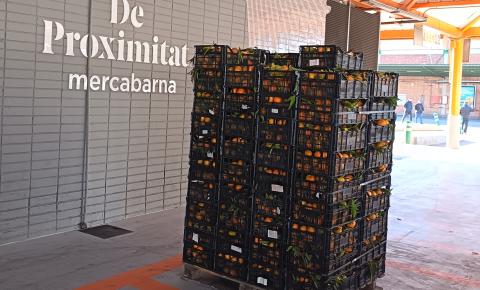
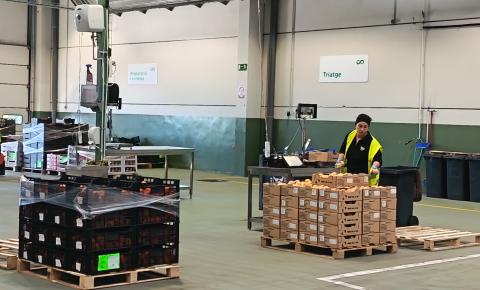
During the visit, members of the Food Partnership explored two inspiring initiatives:
- Terra Pagesa, this initiative promotes the marketing and distribution of local, seasonal products from small and medium-sized farms across Catalonia. By facilitating direct commercial relationships between producers, both organic and conventional, and city shopkeepers, Terra Pagesa ensures that consumers have access to fresh, locally sourced products with minimal storage. The project provides the commercial and logistical framework that allows Catalan farmers and livestock breeders to sell their products efficiently while supporting sustainable local food systems.
- Foodback, a pioneering project in surplus food management, represents a major step forward in Mercabarna’s commitment to fighting food waste. The initiative collects plant-based organic surplus from the market’s operators, giving fruits and vegetables a “second life” rather than letting them go to waste. Building on a collaboration with the Food Bank that began in 2002, Foodback improves the efficiency of sorting and distribution while ensuring food safety. Making it a mandatory part of Mercabarna’s management system has strengthened its impact, benefiting both the environment and society.
Through this visit, Food Partnership members gained concrete insights into how urban food markets can support local producers, reduce waste, and strengthen sustainable food systems.
Advancing key actions of the Food Action Plan
The Barcelona meeting also provided a valuable space to reflect on progress and next steps for other core actions of the Food Action Plan. On the second day, partners engaged in discussions on the key objectives and expected outcomes of different actions, exploring ways to involve external stakeholders and maximise impact.
Looking ahead to 2026, several initiatives are set to advance the Action Plan’s goals, including:
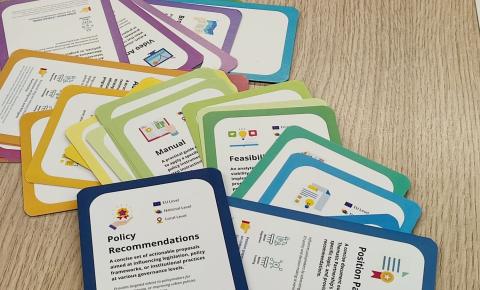
- Advocacy initiatives: In January 2026, a policy statement will be published promoting a stronger role for cities in EU food governance. Additionally, in the first half of 2026, a position paper on sustainable public food procurement will be released, calling for a regulatory framework at the EU level that not only allows but actively supports sustainable food procurement practices.
- Research and analysis: A survey will be launched across EU cities to highlight inspiring models of multi-level governance and explore how regional and national cooperation can help scale promising local innovation.
- Capacity building: The Partnership will continue to provide both online and in-person training for members and external stakeholders, supporting cities in designing and implementing effective food strategies. A new series of webinars will also focus on the use of public land to strengthen fair and sustainable food systems, helping local food producers gain better access to land.
Stay tuned to the Partnership’s website for updates on upcoming initiatives and opportunities to get involved!