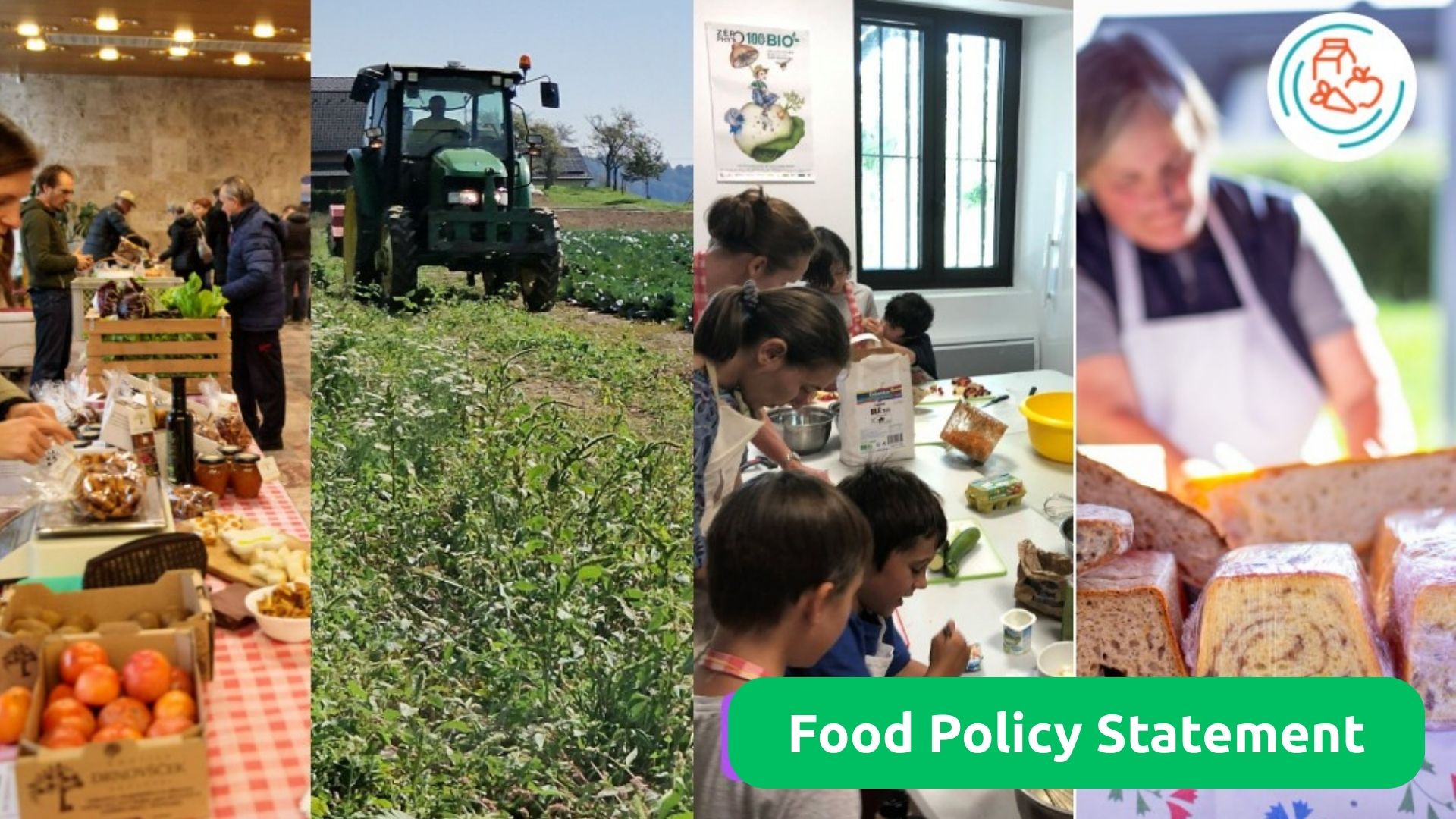
Feeding the future: how cities can shape Europe’s food systems
To strengthen this role at the European level, the Food Partnership has just released a Food Policy Statement calling for a stronger and more structured involvement of cities in EU food policymaking. Read the article to discover the key priorities for action.
Why cities matter in food systems
Food systems both contribute to, and are increasingly threatened by, climate and environmental change, putting their long-term sustainability at risk. They are major drivers of greenhouse gas emissions, biodiversity loss and deforestation, while also shaping dietary health outcomes and social equity.
In Europe, food systems account for around 30% of total greenhouse gas emissions. The biodiversity impacts associated with EU food consumption, including those embedded in international trade, are largely driven by meat consumption and agricultural land use. Agriculture is also the largest water user in Europe, accounting for nearly 60% of total water use. (Towards sustainable food systems: an analysis of EU policy measures setting environmental sustainability requirements, JRC, 2024).
Equitable access to food remains another pressing issue. In 2024, 8.5% of the EU population were unable to afford a meal containing meat, fish, or a vegetarian equivalent every other day (Eurostat). However, this figure was much higher among people at risk of poverty (19.4%) compared with those not at risk (6.4%).
Through different measures, such as reducing food waste, strengthening urban–rural linkages through shorter supply chains, and promoting circular and resource-efficient approaches, cities can act as key actors in fostering more equitable, resilient and climate-compatible food systems.
Cities are not just consumers of food, they are innovators, collaborators, and impact-makers:
- Innovators
Cities are already addressing food-related challenges through technical and social innovation, from sustainable public procurement to local food initiatives. - Collaborators
As the level of government closest to citizens, cities can convene local businesses, food producers, civil society organisations, academia, and residents to identify challenges and co-create solutions. - Impact-makers
Cities shape local food environments, improve access to healthy food, stimulate local production, manage public land, and promote democratic and participatory food governance.
This leadership is already visible. The growing number of signatory cities to the Milan Urban Food Policy Pact and the active engagement of cities in networks such as Eurocities’ Working Group on Food and ICLEI demonstrate a strong urban commitment to healthier and more sustainable food systems.
8 key priorities for transforming urban food systems
Despite their potential, food systems remain under-prioritised in European policy frameworks. Food systems contribute significantly to climate change, environmental degradation, and rising health costs, yet they often remain on the sidelines of policymaking.
To build resilient, innovative, and fair food systems, cities must be fully integrated into EU food policy through multilevel governance, dedicated financial resources, and concrete cooperation mechanisms linking EU, national, regional, and local authorities.
To turn potential into action, the Urban Agenda for the EU Partnership on Food calls on the EU to:
- Include Food as a Priority in the EU Agenda for Cities
Make urban food systems a core component of EU and city-level policy planning. - Promote Multilevel Governance by Including Cities and Regions in EU Food Policy Making
Ensure cities and regions are actively included in EU food policy making so that local perspectives shape European decisions. - Strengthen Public Food Procurement
Support cities in unlocking the potential of sustainable, healthy, and locally sourced food procurement. - Guarantee Universal Access to Healthy and Sustainable School Meals
Ensure every child has access to nutritious, affordable, and sustainable meals. - Support the Development of Urban Food Strategies
Reinforce cities’ capacity to design and implement integrated local food strategies. - Adopt EU Food Indicators for Cities
Provide a framework to measure progress and impact through clear, harmonised, and comparable indicators. - Unlock the Benefits of Public Land
Enable cities to use public land strategically to support young farmers, foster generational renewal, and promote sustainable and organic farming practices that deliver healthy, climate-friendly food. - Support the Reduction and Recovery of Food Waste
Provide dedicated technical and financial support to empower cities to implement effective, scalable, and measurable solutions for food waste reduction and recovery.
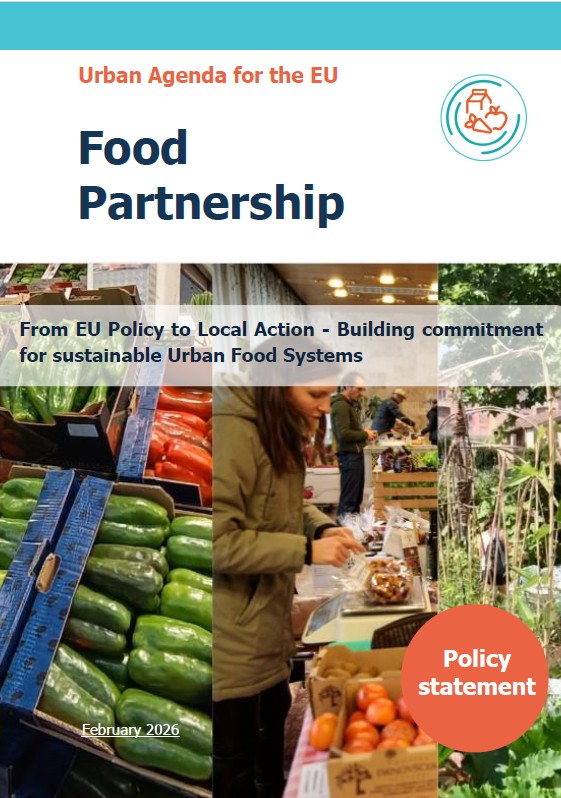
European policymakers must recognise the transformative power of cities in shaping food systems. By embedding food into EU policy frameworks, fostering collaboration across all levels of governance, and supporting local food strategies, Europe can build healthier, fairer, and more resilient local communities. Cities are ready to lead, now it is time for Europe to meet them at the table.
Why action matters
Implementing these priorities delivers tangible benefits for cities and citizens alike:
- Healthier communities - improved public health and reduced healthcare costs
- Stronger local economies - support for small producers, innovation, and job creation
- Environmental sustainability - lower emissions and pollution, reduced food waste, and smarter land use
- Inclusive governance - democratic, participatory decision-making involving citizens and food system actors
Next steps
Local authorities should be involved as active participants in the upcoming EU Food Dialogues to contribute key inputs to the ongoing European discussions on sustainable, affordability, and nutrition.
This policy statement was prepared by the Food Partnership as one of the outputs of Action 1 of the Food Action Plan. The aim of this action is to advocate for an EU framework for local food policies, based on policy recommendations developed through the Partnership’s work across various actions and feedback from European cities.
A more detailed policy document, featuring inspiring case studies and concrete recommendations, will be published by the end of this year.
How you can contribute
You can support this initiative by:
- Disseminating the Food Policy Statement within your networks
- Engaging with policymakers and stakeholders at local, national, and EU levels, spreading the message
- Contacting the Food Partnership to explore how you can support specific actions and initiatives
Together, we can empower cities to shape Europe’s food future!
Stay tuned to the Food Thematic Partnership webpage for more updates.