Driving innovation through public procurement: key takeaways from the Public Procurement Partnership meeting
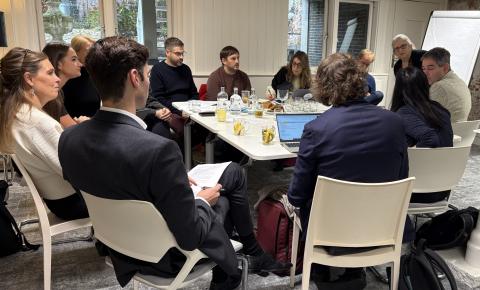
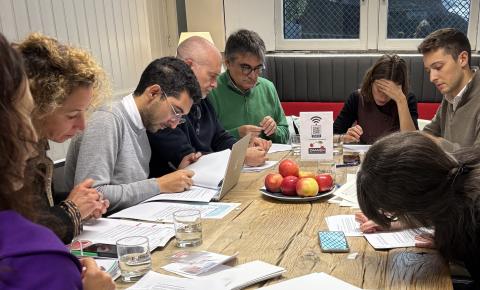
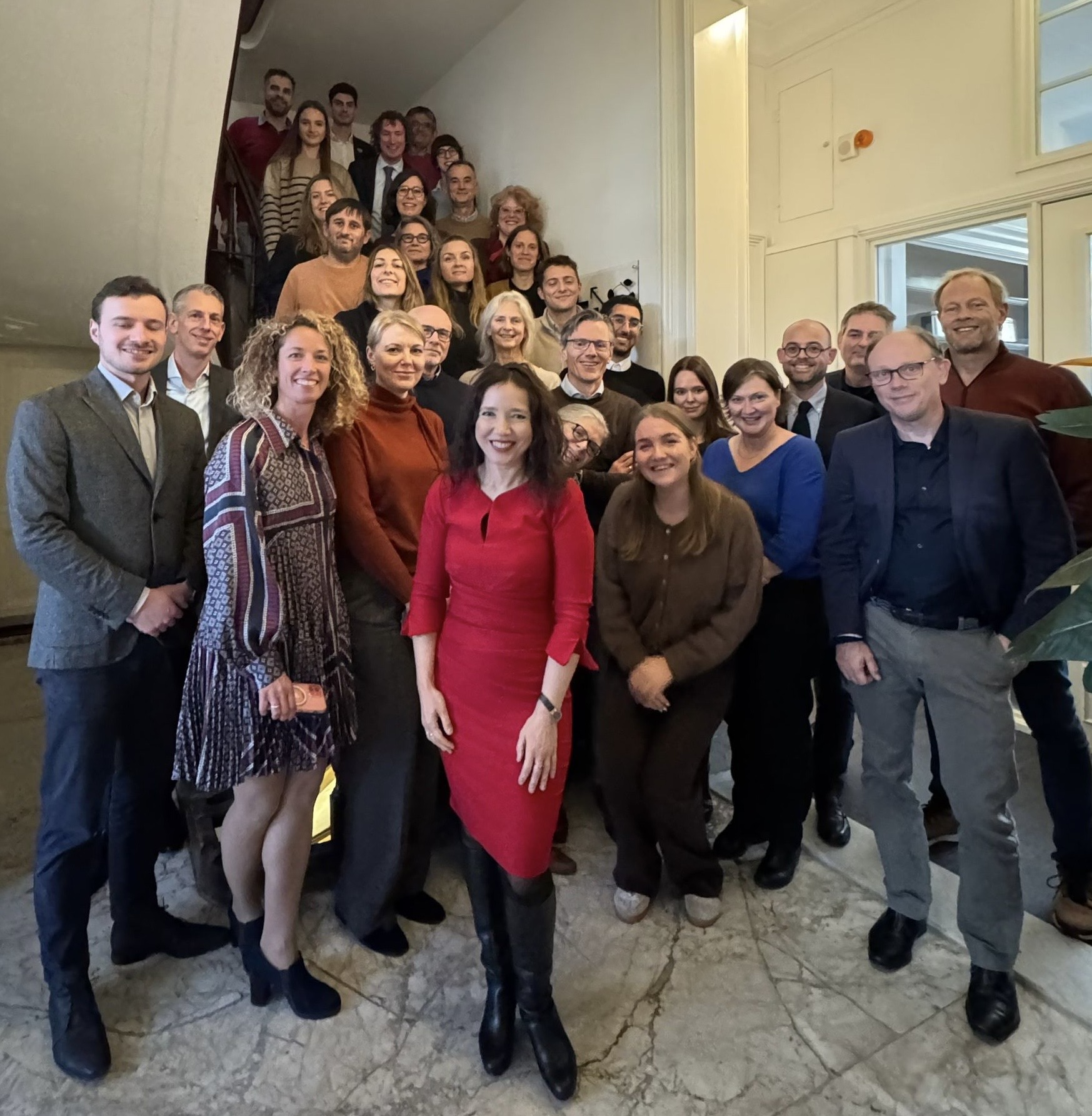
The two-day gathering was more than just a meeting; it served as a hub for collaboration, learning, and inspiration. Participants discussed progress on the new Action Plan, exchanged insights on the latest developments in public procurement, and attended a masterclass on emerging trends shaping the future of the field.
Unlocking innovation and social impact with strategic procurement
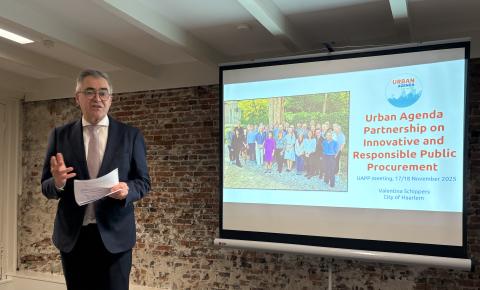
Participants were welcomed by Mr. Jos Wienen, Mayor of Haarlem, who highlighted the city’s strong commitment to innovation, sustainability, and social responsibility, core elements of its vision for the future. From climate-adaptive urban development and the reuse of construction materials to partnerships with social enterprises and start-ups that foster inclusion and innovation, Haarlem demonstrates how public procurement can be a powerful tool for positive change.
“Every decision, every contract, is an opportunity to drive progress, stimulate local innovation, create new jobs, reduce environmental impact, and contribute to a more circular and climate-neutral Europe”, Mayor Wienen emphasised.
Public procurement: emerging trends and innovations
Innovative public procurement is increasingly being used as a strategic tool within the workflows of municipalities and public organisations. Rapid developments in IT and learning tools are helping create more efficient work processes. In this context, the Masterclass provided participants with an opportunity to explore future trends in depth, including the use of AI in public procurement, innovations in circular development, the role of public procurement in supply chain resilience, and its function in shaping and stewarding markets.
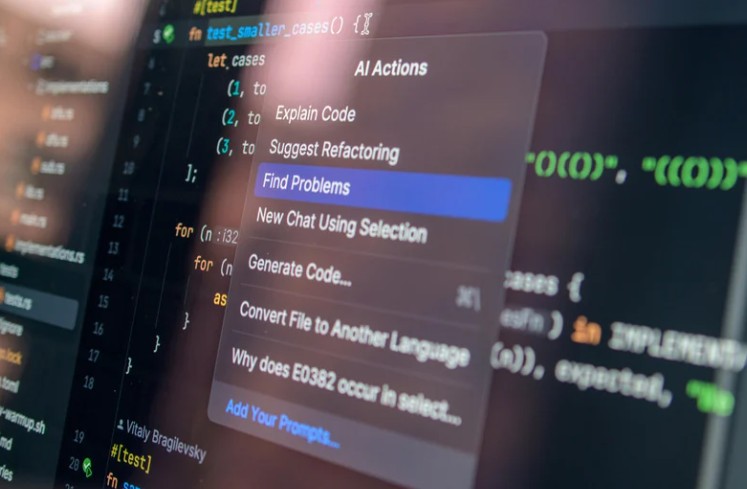
AI language models are increasingly being explored as practical tools in procurement, offering a wide range of applications. According to Fredo Schotanus, Professor of Public Procurement at Utrecht University, AI tools can help improve tender texts, making them clearer, more accessible, and inclusive. AI can assist in organising agendas, evaluation models, or pre-bid meeting presentations, and enrich data for spend analyses or other types of procurement research. It can also provide insights on legal questions related to procurement documents and contracts, contribute to procurement strategy, market exploration, and supplier assessments, and assist in evaluating bids, progress reports, and award models.
Finally, AI can help identify risks, errors, or inconsistencies in contracts, lots, or award procedures, enhancing accuracy and efficiency throughout the procurement process. Of course, there are important dos and don’ts when using AI in procurement. Among the key precautions, particular attention should be paid to avoiding the entry of sensitive data, ensuring the accuracy of outputs, and being aware of potential biases in the results.
Curious to learn more about this and other key innovations?
Explore key presentations and resources here
Major achievements and future directions for the 2025–2028 Action Plan
The Partnership is already making strong strides in implementing the 2025–2028 Action Plan, turning strategic goals into tangible results.
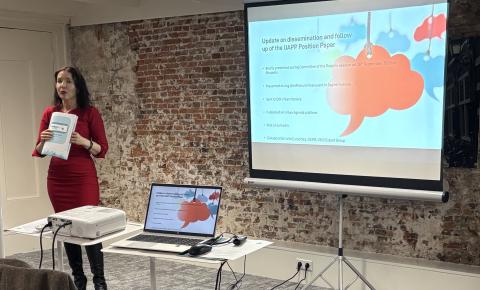
This year and next will be pivotal for the ongoing revision of the EU Public Procurement Directives. The Partnership is dedicated to making sure that the perspectives and experiences of cities are represented throughout this process. As part of Action 2 “Advocacy and Better Regulation”, the Partnership has already finalised a Position Paper designed to help guide the updates to the Directives, ensuring that procurement policies remain forward-looking, effective, and responsive to the needs of cities.
In Action 3 “Better Funding to Stimulate Strategic Public Procurement (SPP)”, a survey was carried out to identify gaps in current funding mechanisms. Its findings were discussed at the meeting and will soon be shared publicly, providing valuable insights for future funding strategies.
Action 1 “Capacity Building on Public Procurement as a Strategic Tool” continues to empower members with training opportunities. Several new initiatives are planned in the coming months, including a webinar on CO₂ pricing and the integration of e-learning modules on AI and other innovative procurement tools, designed to help members stay ahead in a rapidly evolving landscape.
What’s next
The Partnership has already set the dates for its annual meetings in Haarlem:
- May 18–19, 2026
- November 16–17, 2026
If you would like to stay up to date on all activities, events, and news about the Partnership, visit the dedicated platform.