Cities of Equality Partnership meets in Paris to advance knowledge, collaboration and impact
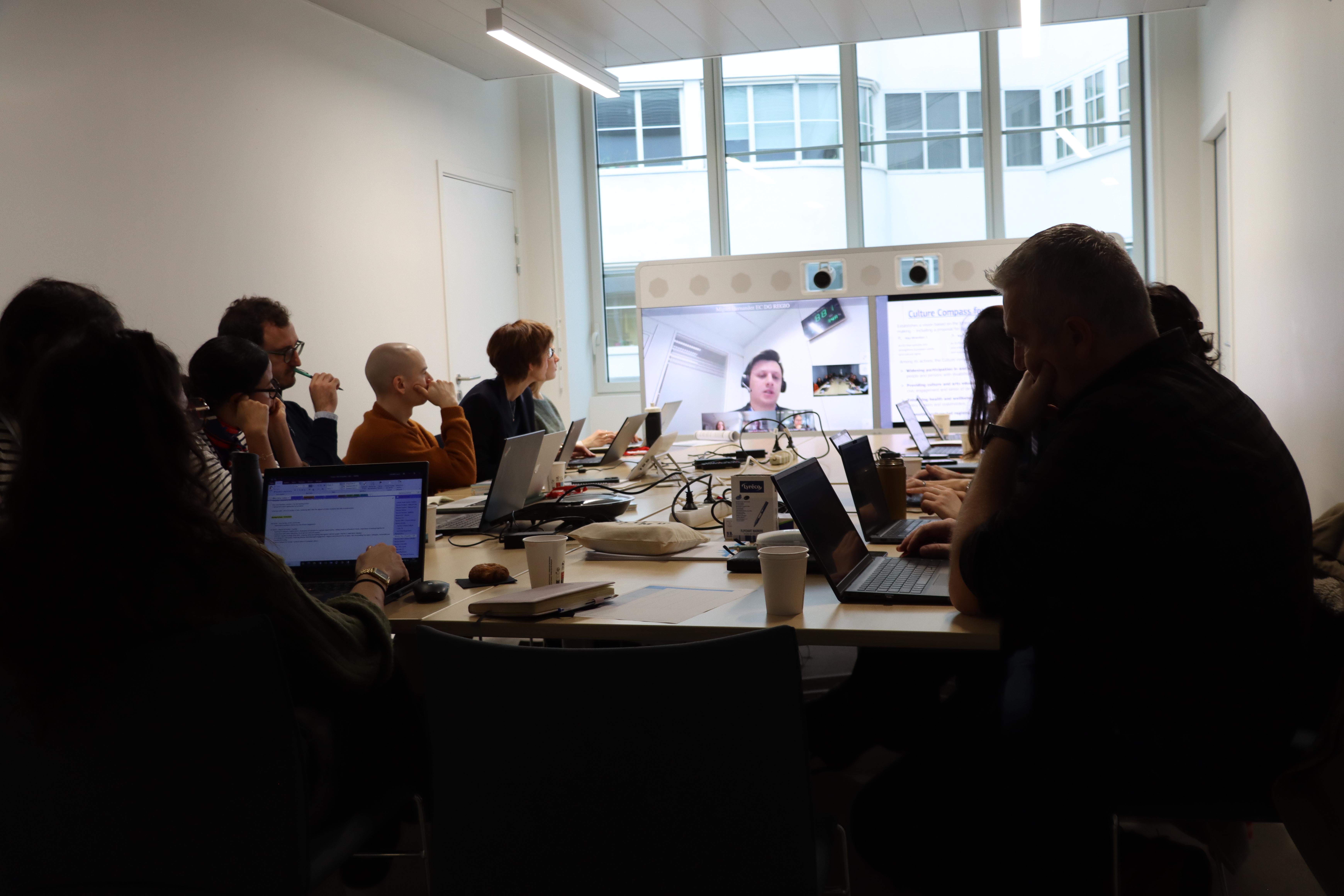
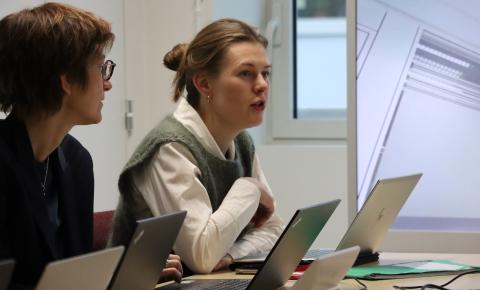
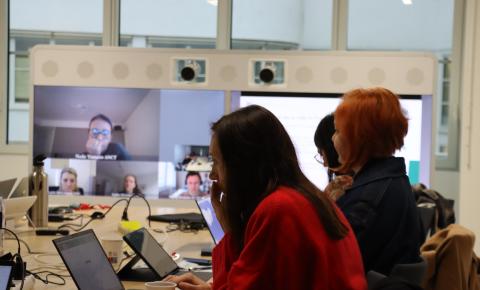
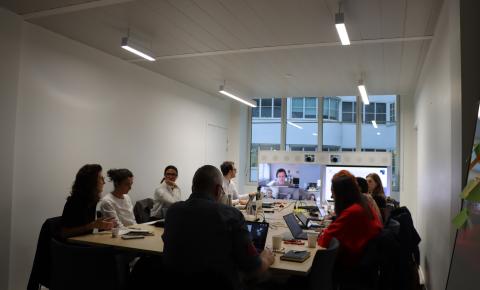
A presentation on the evolving EU policy landscape and the next Multiannual Financial Framework set the scene for discussions, followed by two in-depth contributions from the OECD teams working on inclusive growth and local development. These sessions offered a rich evidence base for the exchanges that followed, highlighting the multidimensional nature of inequalities in cities, from fragmented access to green space and exposure to environmental risks to persistent gaps in health outcomes and life expectancy. They generated an active dialogue with Partnership members, who reflected on how these findings relate to their own contexts and priorities.
OECD experts presented emerging results from their global survey of 72 cities and shared insights on what works to foster inclusive growth. Their analysis underscored the importance of people-centred approaches, integrated social and spatial interventions, and the enabling role of disaggregated data and multilevel governance.
A second presentation focused on area-based initiatives (ABIs), drawing on more than 40 international examples of programmes designed to support disadvantaged neighbourhoods through combined investments in housing, public space, social infrastructure, safety and community wellbeing. By illustrating how cities can address interconnected barriers, such as poor health, limited mobility, precarious employment and social disconnection, the OECD team provided concrete reference points for the Partnership’s own work on spatial segregation, access to services and participatory co-governance.
Taking stock of progress: from Action Plan to implementation
Action leaders presented the progress achieved over recent months across the three Actions of the Cities of Equality Partnership: developing a framework to assess spatial segregation and access to services; mainstreaming equality in result-based funding instruments; and collecting and discussing good practices of equity-attuned participatory governance.
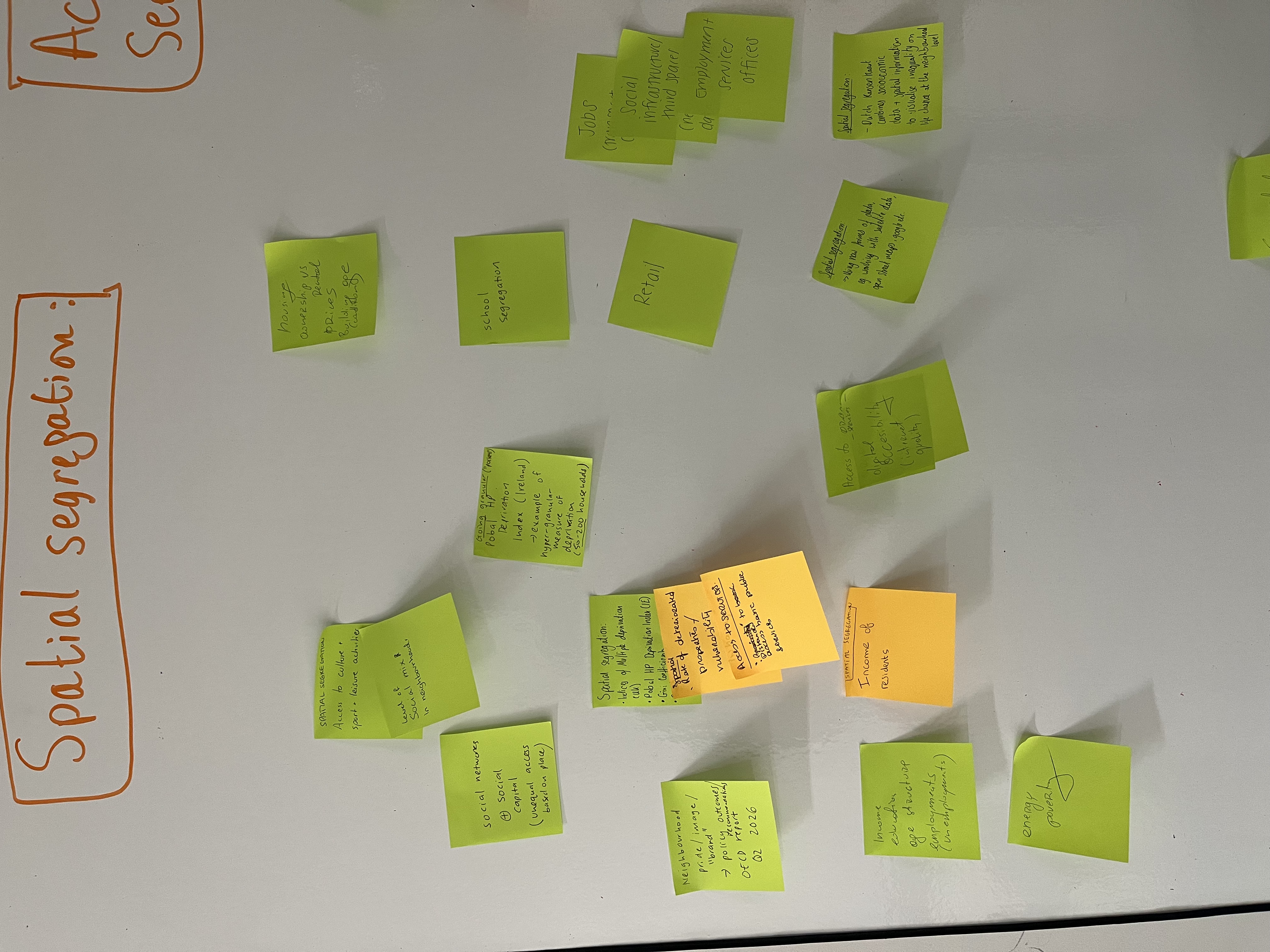
A central element of the Action 1 session was a collaborative brainstorming exercise to determine which domains of spatial segregation and access to services should be prioritised in the analysis. Participants explored a wide range of issues, from pockets of poverty and mobility patterns to the distribution of green spaces and the accessibility of healthcare, housing, education and employment. This exercise helped define a clearer scope for the work and ensured that the Action will complement existing European and international data initiatives rather than replicate them.
The meeting then shifted to forward planning through a series of working sessions aimed at clarifying the concrete steps required for 2026. Building on the progress presented, Action Leaders and partners mapped out the major milestones ahead, including stakeholder workshops, surveys, further case study development, capacity-building activities and the preparation of guidance documents and policy recommendations.
Learning from national practice: participation models from ANCT
On the second day, ANCT presented two cornerstone programmes, Territoires d’Engagement and Programme Lien social et image des quartiers, offering partners a detailed view of ANCT’s role in supporting local democracy and strengthening the role of residents in shaping public action. Rooted in the long-standing politique de la ville (France’s national urban policy) and its 1,609 priority neighbourhoods (QPV), these initiatives respond to persistent territorial inequalities in areas such as spatial segregation, access to healthcare, mobility and housing, and aim to rebuild social cohesion in places where trust between institutions and residents has weakened.
Territoires d’Engagement was presented as a tool for supporting municipalities to develop new cooperation skills, shift institutional perspectives on participation and restore local capacity to act. Through tailored support pathways, learning communities and shared projects, the programme encourages pragmatic, place-based experimentation. Examples included participatory governance of a community “third place,” resident-led natural risk prevention, community food funds and collaborative initiatives to support the integration of refugees, demonstrating how participation can be embedded in everyday policy delivery rather than limited to formal consultations.
The Lien social et image des quartiers programme complemented this perspective by examining the conditions necessary for meaningful participation in priority neighbourhoods. ANCT highlighted both the benefits, stronger social ties, renewed sense of belonging and improved living environments, and the obstacles, such as limited confidence in institutions, uneven access to information and the need for a shared culture of participation among local actors. The programme emphasised practical levers for action, including the use of digital and hybrid tools, promoting inclusivity and investing in skills at all levels of governance.
Building synergies across Partnerships and EU initiatives
A dedicated session explored how the Cities of Equality Partnership can deepen its collaboration with other strands of the Urban Agenda for the EU and contribute more visibly to wider EU policy discussions on equality, social inclusion, participation and urban development. Particular interest emerged around engaging with the URBACT Knowledge Hub on Social Data, which will soon host a series of online exchanges highly relevant to Action 1’s work on inclusive data frameworks. Partners also highlighted the potential for joint work with other Urban Agenda Partnerships, including the Inclusion of Migrant and Refugees Partnership and the Sustainable Tourism Partnership, whose ongoing efforts to develop “accessible tourist destinations” intersect with the Cities of Equality focus on accessibility, non-discrimination and equitable access to services.
A shared roadmap for 2026
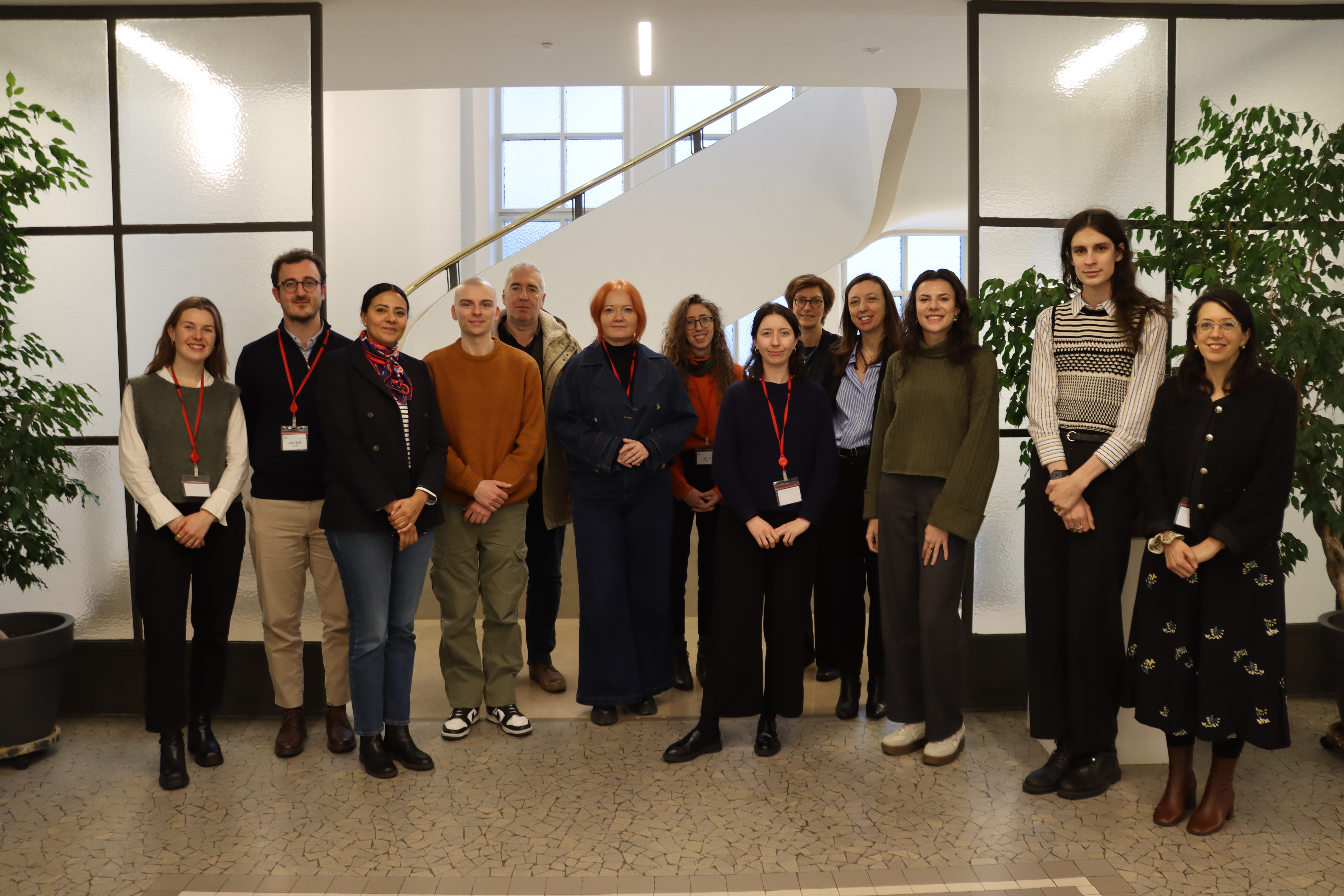
Looking ahead, the Partnership will continue to build evidence, develop practical tools, engage stakeholders and amplify the visibility of equality issues within EU urban policymaking. The collective energy and collaborative spirit demonstrated in Paris reaffirmed the shared commitment of cities, national authorities, EU institutions and networks to ensuring that no one is left behind in Europe’s urban centres. Updates on activities, outputs and opportunities to get involved will continue to be published on the Partnership’s webpage.